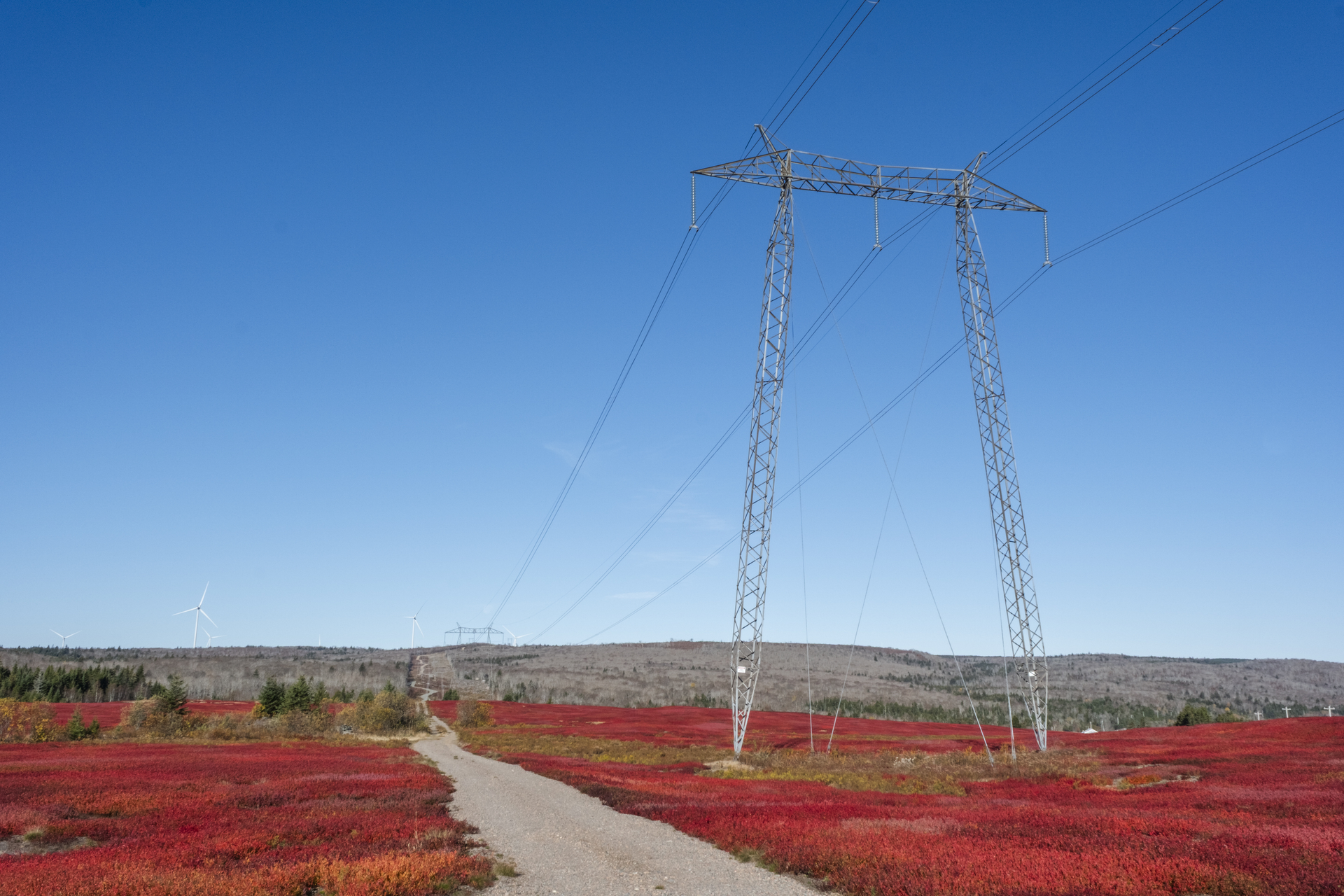

Construction is underway on the Wasoqonatl Transmission Line, a new intertie that will strengthen the electricity connection between Nova Scotia and New Brunswick.
Unless you are standing underneath the transmission towers that power our energy systems, it is easy to forget how much work actually goes into keeping the lights on.
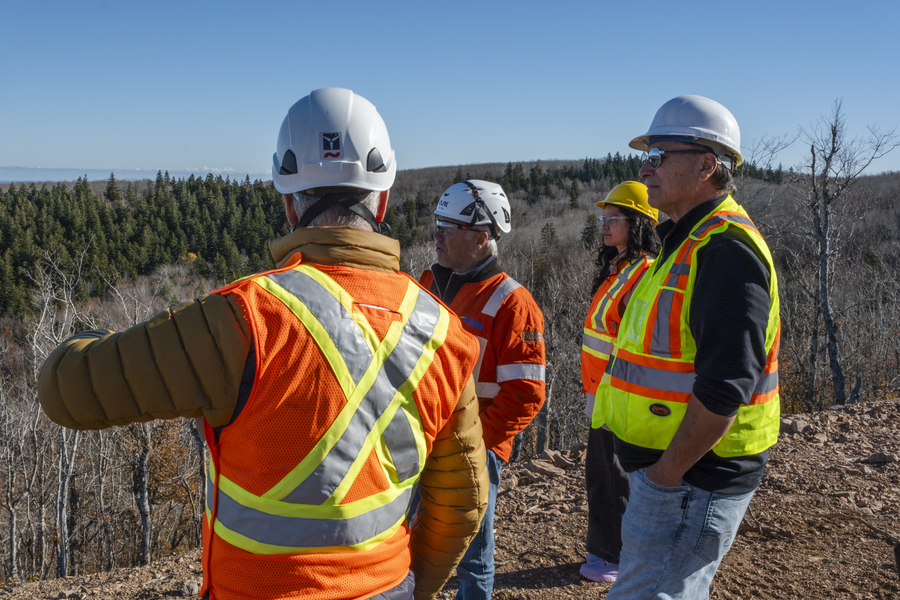
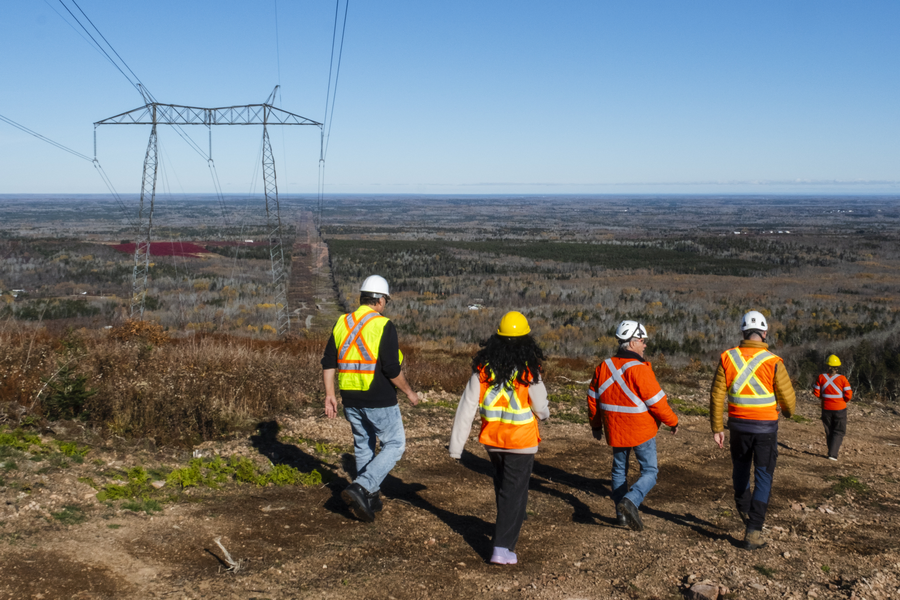
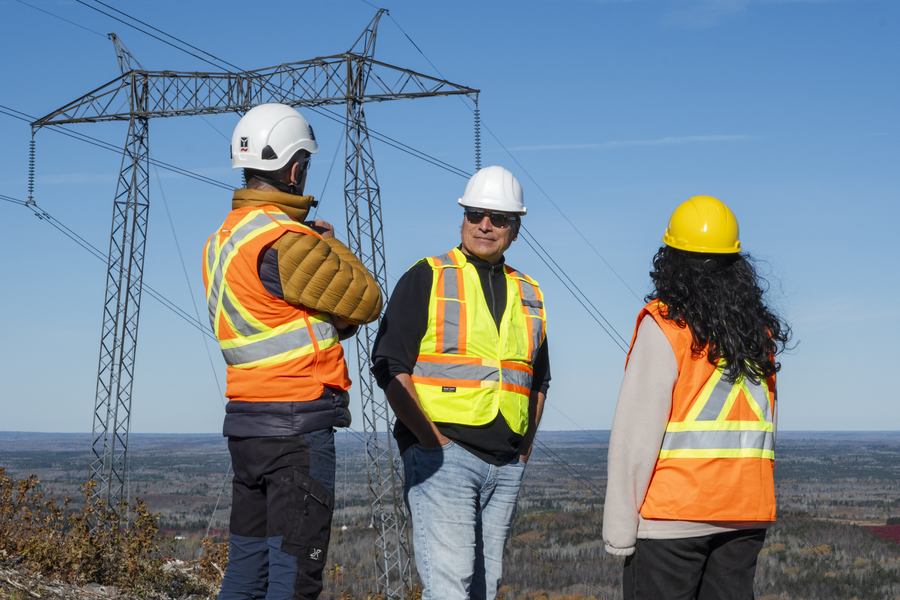
A couple weeks ago, I had the chance to join a tour of the Wasoqonatl Transmission Line project, which is a major piece of energy infrastructure that is being built to strengthen the connection between Nova Scotia and New Brunswick. Seeing the project firsthand reminded me that the energy transition is not just about new generation projects. It’s also about building the connections that allow electricity to move to where it is needed, when it is needed.
“Wasoqonatl” means “Keep Light On” in Mi’kmaq, which is an incredibly fitting name for a project that is focused on reliability, interconnection, and regional cooperation. The project is being developed through partnerships involving Wskijinu’k Mtmo’taqnuow Agency (WMA) representing the 13 Mi’kmaw communities in Nova Scotia, Mi’gmaq United Investment Network (MUIN) representing the 9 Mi’gmag First Nations in New Brunswick, Canada Infrastructure Bank (CIB), Nova Scotia Power, and New Brunswick Power. Together, they are building infrastructure designed to strengthen interconnection between the provinces and supporting integration of more renewable energy into the electricity system.
Transmission at scale
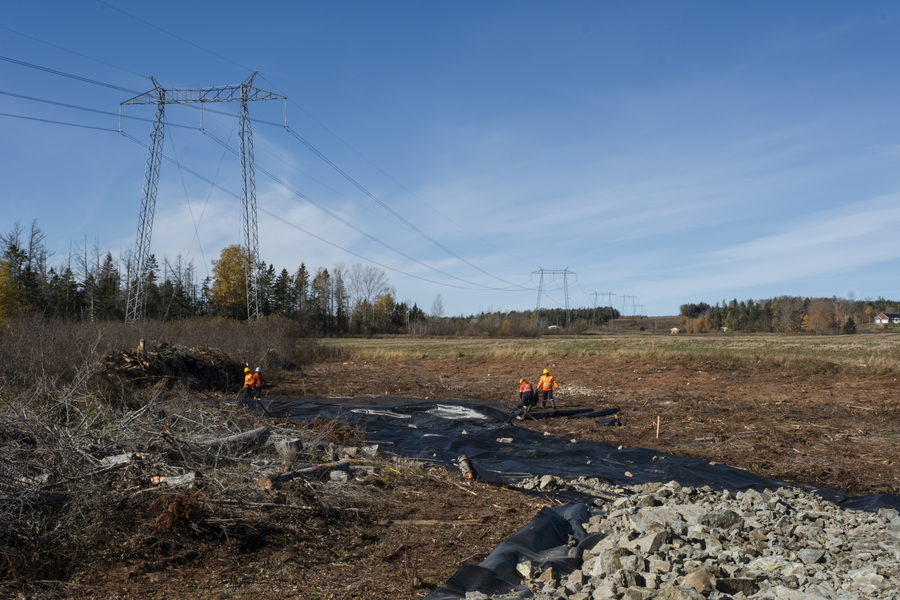
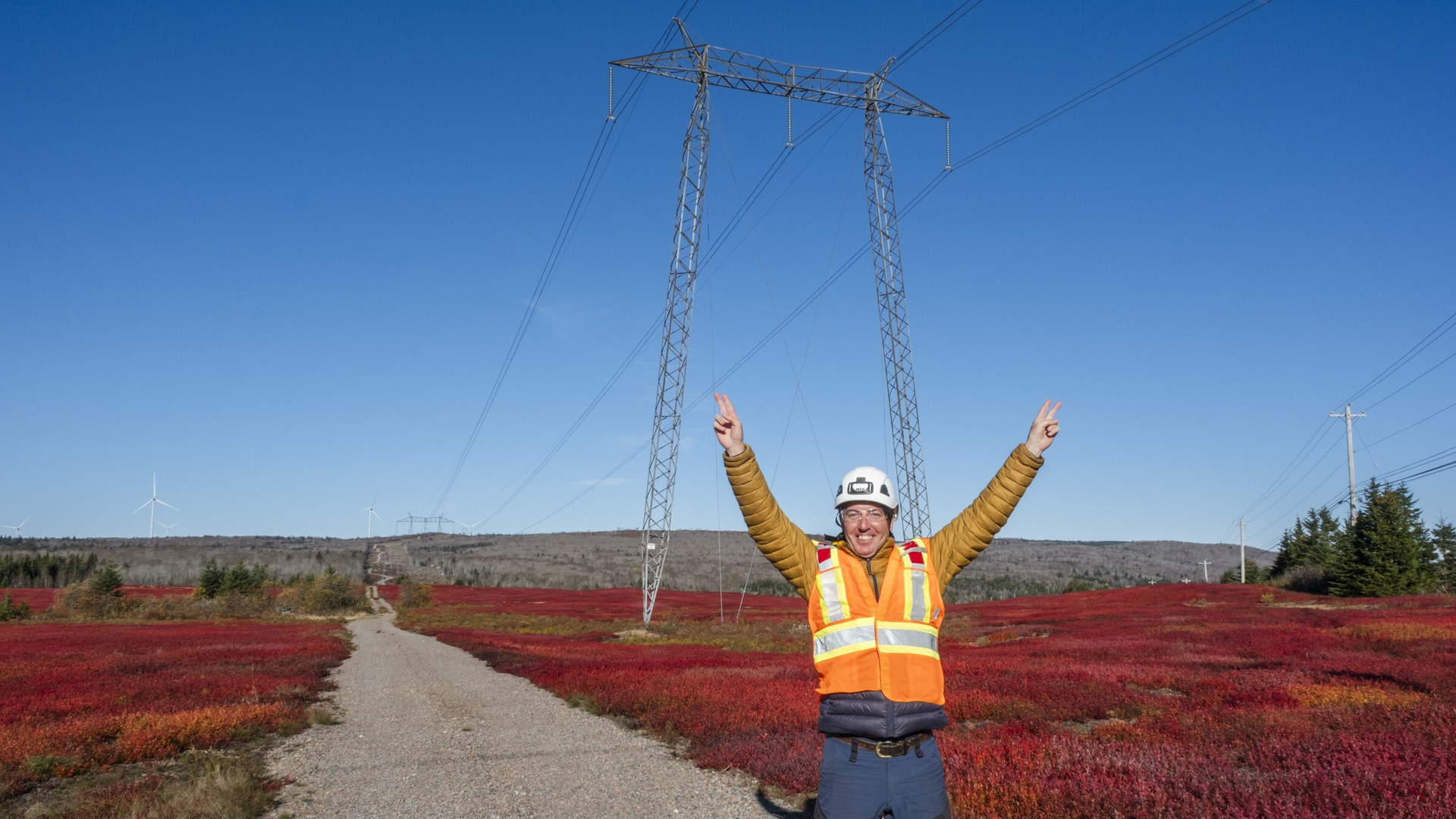
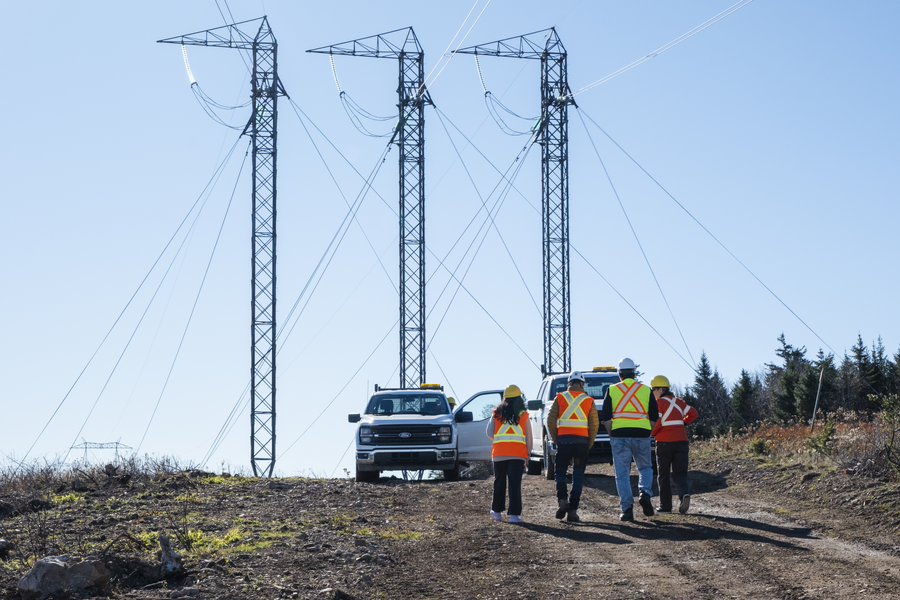
You don’t really realize the scale of a project like this, until you are standing in a cleared right-of-way, staring straight up at the massive towers and watching workers clearing temporary roads needed to get equipment to the right spots. Then you see the planning behind the project - the hundreds of hours that have gone into developing a path to connecting systems across provincial boundaries. It’s all a little bit mind-boggling.
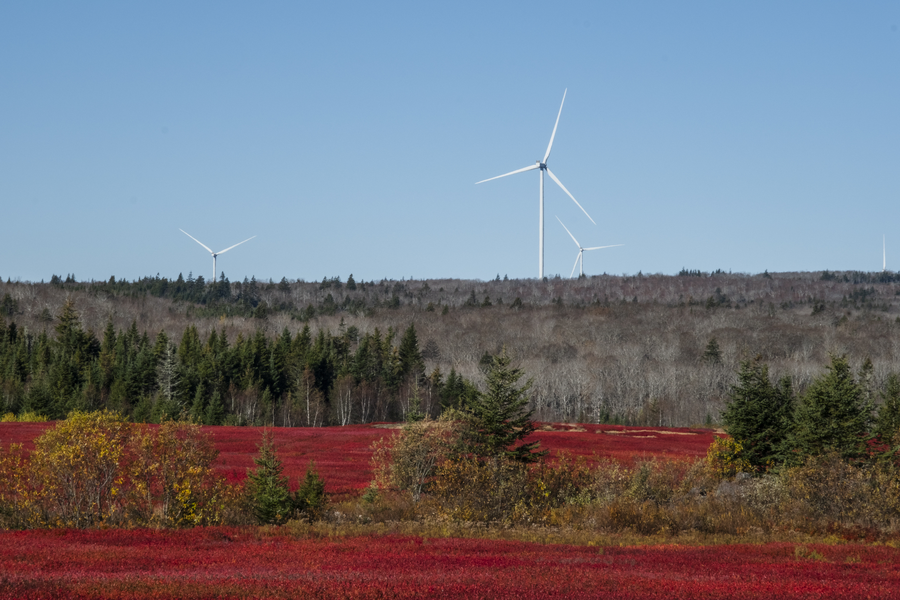
The Wasoqonatl Transmission Line is often discussed in the context of renewable energy. A stronger connection between Nova Scotia and New Brunswick will provide greater flexibility to move electricity between provinces, support renewable energy build out, and help make the most of the resources that are already being developed across the region. Just as important, is how it will strengthen the reliability of the electricity system that Atlantic Canadians rely on every day.
Let’s connect
The project is also a perfect example of regional collaboration - something that will be key to Atlantic Canada’s electrification journey. Infrastructure of this scale cannot just be done on a whim. It requires governments, utilities, Indigenous partners, regulators, workers, and local communities to work together toward a common goal. This project showcases what that cooperation can look like when applied effectively.
As I walked around various parts of the project site, it was impossible to not appreciate the magnitude of what I was looking at. Transmission lines rarely attract the same attention as a new power plant or wind farm, but they are probably even more critical to a green transition. Without them, reliable and affordable power from those renewable energy projects cannot get to where it needs to go.
Project construction continues and the line is on schedule to be in service by late 2028. When it is done, the line will become another physical connection between the provinces - doubling the capacity of the line that currently runs along this route. But, more than that, it represents a shared investment in Atlantic Canada’s energy future. A future that is built on reliability, cooperation, and the ability to put the region’s robust energy resources to good use.