
Why electrify?

Electric machines increasingly do the job better, and the power behind them can be made right here. That’s true in your house, and it’s true for the whole region. And it’s true for Canada. And…the world.


What do we even mean by electrify? Well, we’re not talking lightbulbs, though they’re nice. Instead, when we talk about electrification these days, we’re talking about a great, beautiful transformation that will need to take place over the next few decades — we have to switch our fossil fuel machines out for clean, electric ones. Not just in our homes, but in our businesses, and communities, all across the country. This sounds daunting, but we don’t have to do it all at once. We just have to make electrification the default over time. When we buy new appliances, they should be electric. As we update the grid, we’re growing our electrification capacity — the government calls this the double double — we’ve gotta double our electrical grid by 2050. 

The cool thing about all this is this new electric future offers us a clean, healthy, prosperous future. Have you tried cooking on an induction stove? It’s incredible. Likewise switching to an EV — they require much less maintenance, and you save a ton on gas. At the systems level, we see electric benefits all over the place. No more diesel school busses polluting our kids’ schools. And a beautiful grid that guarantees we have our own homegrown power.

Why Electrify? There are a million reasons, that range from comfort to control to cleanliness to climate. But everyone’s reasons will be different. And that’s ok.
It starts at home (and it already has)

More than half of Atlantic homes (57%) already have a heat pump, and two-thirds of those owners use it as their main heat. Most people bought one for the air conditioning. Fair enough. Nobody sleeps well in a 27-degree bedroom in August.

Heat pumps move heat instead of making it, which is why they can use up to 70% less energy than conventional heating. Today’s cold-climate models keep working down to −25°C. Add an induction cooktop and an EV in the driveway, and your whole house runs on one kind of energy we can make right here.

Want the room-by-room tour? We've got you: You’re already living electric.

57%

of Atlantic homes already have a heat pump

Up to 70%

less energy than conventional heating

−25°C

and today’s cold-climate heat pumps keep working

Summerside, P.E.I.

Then the whole neighbourhood gets in on it

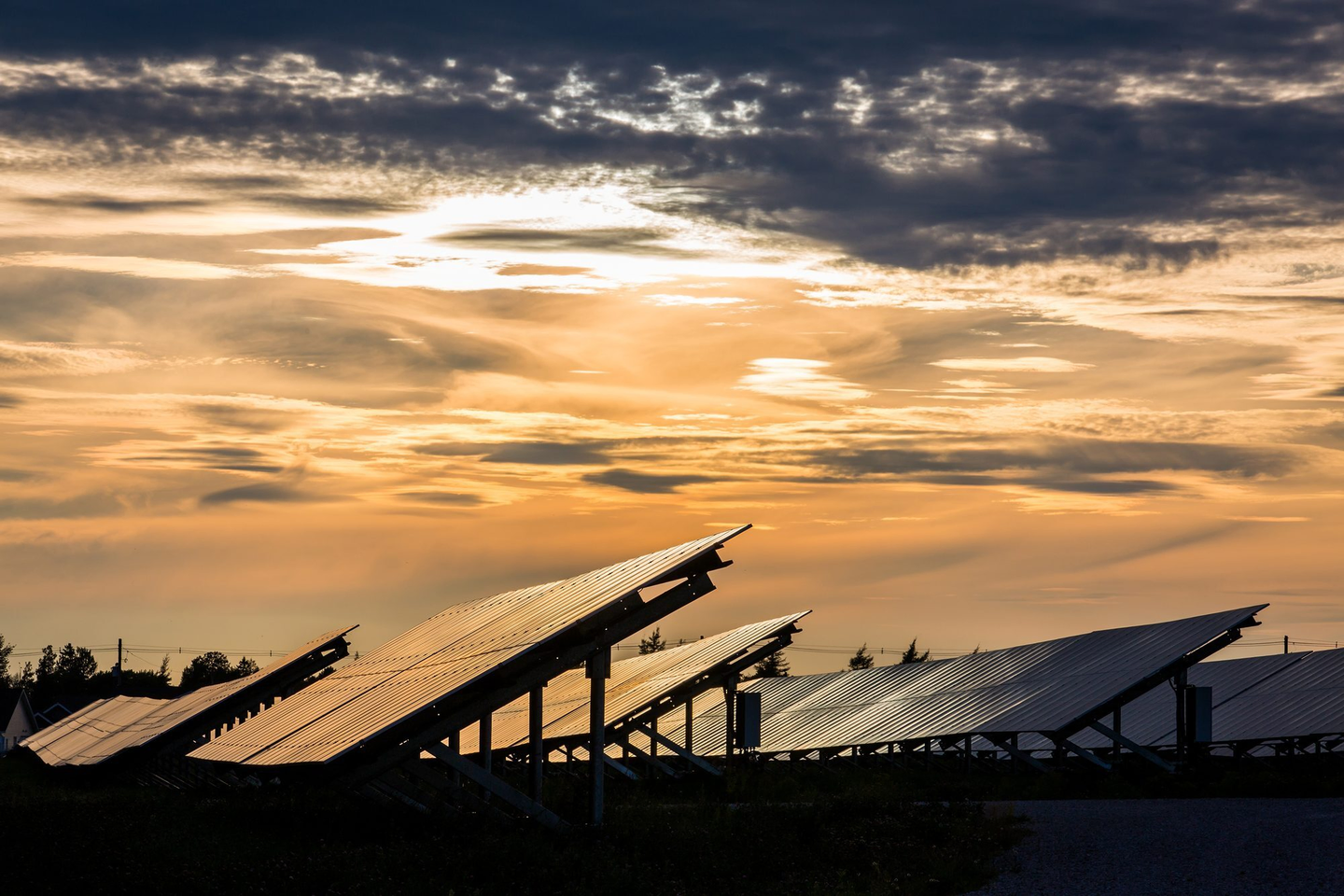
Summerside, P.E.I., owns its electric utility, and it has used that to build a community wind farm, a 48,000-panel solar farm, and a big battery. The city now meets about 62% of its electricity needs with renewables, and has logged stretches of up to 12 hours running entirely on them. It also stores cheap overnight wind power as heat inside people’s homes, through a program called Heat for Less Now. Participants pay 8 cents a kilowatt hour, versus 17.84 cents for everyone else. Every town is different, but what a nice idea to borrow.

Read the whole story from our friends at Be Giant

The wheels on the bus go round (thanks to batteries).

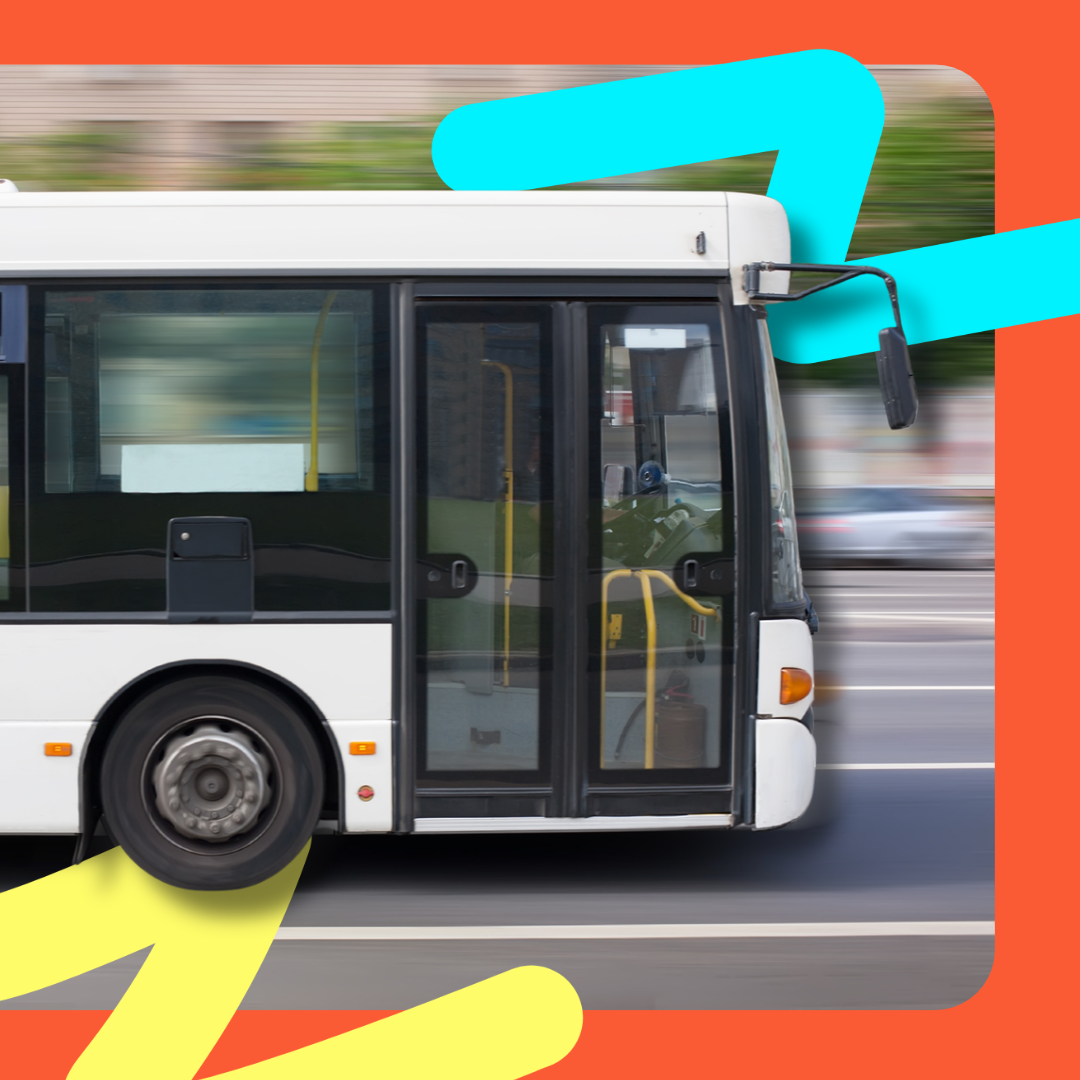
Prince Edward Island has 107 electric school buses, about a third of its public school fleet. That’s a lot of kids waiting at the stop without a tailpipe idling beside them. Schools are also some of the biggest buildings in town, with big roofs and big parking lots. Good places for heat pumps, solar panels, and EV chargers.

P.E.I.’s electric school buses

Open for business

Electric versions of almost everything

Much of what a business burns fuel for now comes in an electric version: delivery vans, forklifts, rooftop heating and cooling, and commercial kitchens.

Less waste, more go

Electric motors waste a lot less. An EV turns more than 77% of the energy from the grid into power at the wheels. A gas vehicle manages about 12 to 30%. The rest mostly leaves as heat. For a fleet, that’s a big gap. 

Money that stays close to home

The money can stay closer to home, too. 88% of Atlantic Canadians agree that using more of the region’s own clean energy keeps jobs and investment here.

Add it all up and you get a grid story

Because electric machines waste so much less, a region that goes electric needs less energy overall. It just needs more of it to come through the wires. That’s a good problem, and a buildable one.

Canada already makes more than 80% of its electricity without emissions. Here, the next step is more homegrown power and better connections, so the lights stay on when it’s minus 20. You’ll see that in the news, in deals like the Maritime grid MOU and Churchill Falls and Gull Island. We’ve explained both in plain language.

People here are on board: 94% say new electricity infrastructure is worth it if it makes power more reliable over the long term. Everyone’s getting heat pumps. Let’s build a grid worthy of them.

Go deeper

You’re already living electric

Sophie’s room-by-room tour of the electric stuff already in your home.

Read more

This P.E.I. city is closing in on 100% renewable power

How Summerside built its own wind, solar, and storage. From our friends at Be Giant.

Read more

The Maritime grid MOU

What the deal means for your power (spoiler: not much yet...but it's a great start!)

Read more

Churchill Falls and Gull Island

The Labrador hydro deal explained.

Read more

So, what should you actually do?

Nobody’s asking you to rip out a furnace that works. Choose electric next: when the water heater, furnace, stove, or car is done, make the replacement electric. Check which rebates you qualify for first. And bring a neighbour into it. The best ad for a heat pump is the one humming away next door. Something good is building here. Come build it with us.

Find my rebates

Get Current

The Electric Living newsletter. Stories from your neighbours, the electric news worth knowing, and simple things you can do.