
You use the electricity grid almost every minute of every day, and probably rarely think about it. That means it's doing its job. Here's a quick explainer of what the grid is, and how it powers our lives:
1. It is all one machine
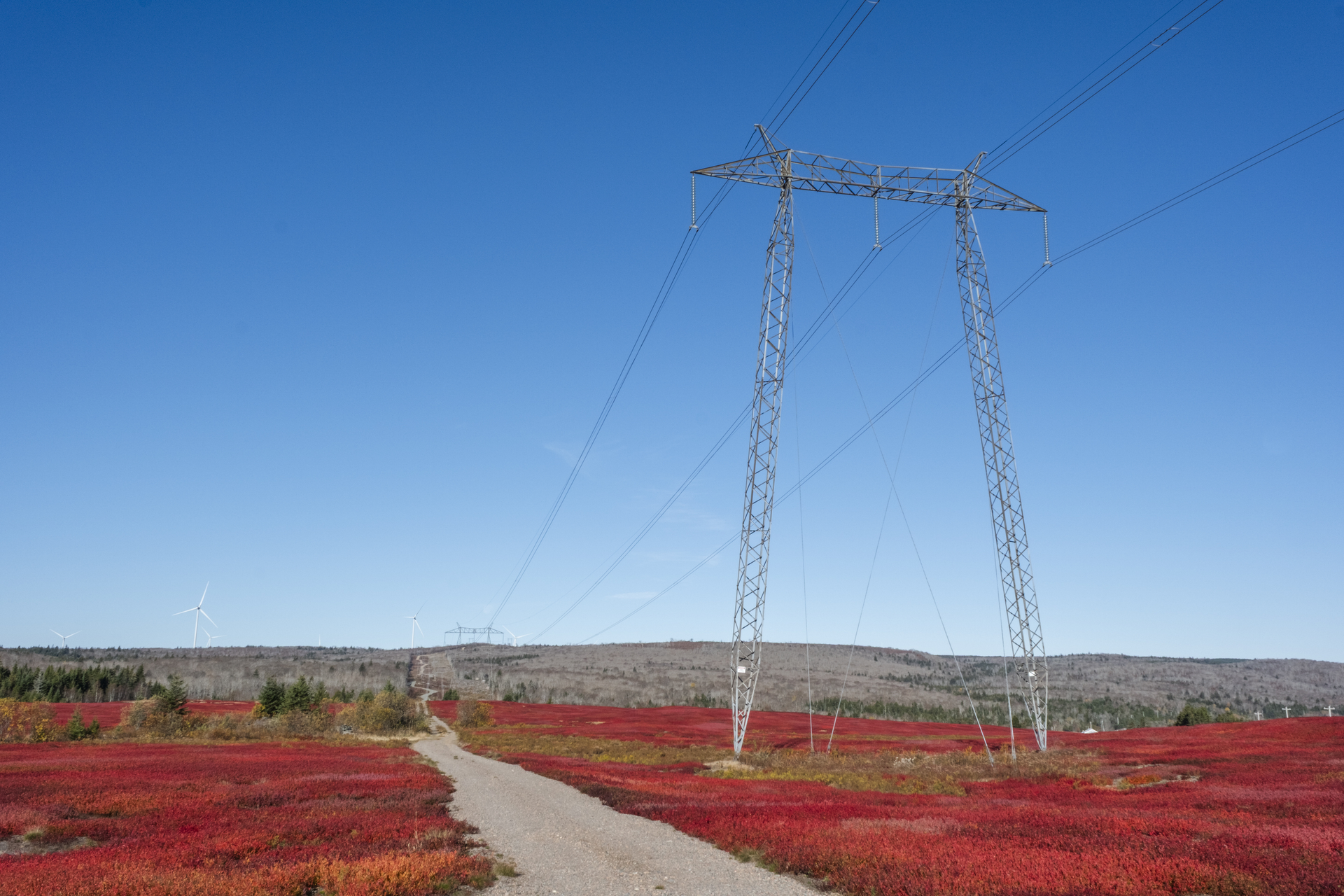
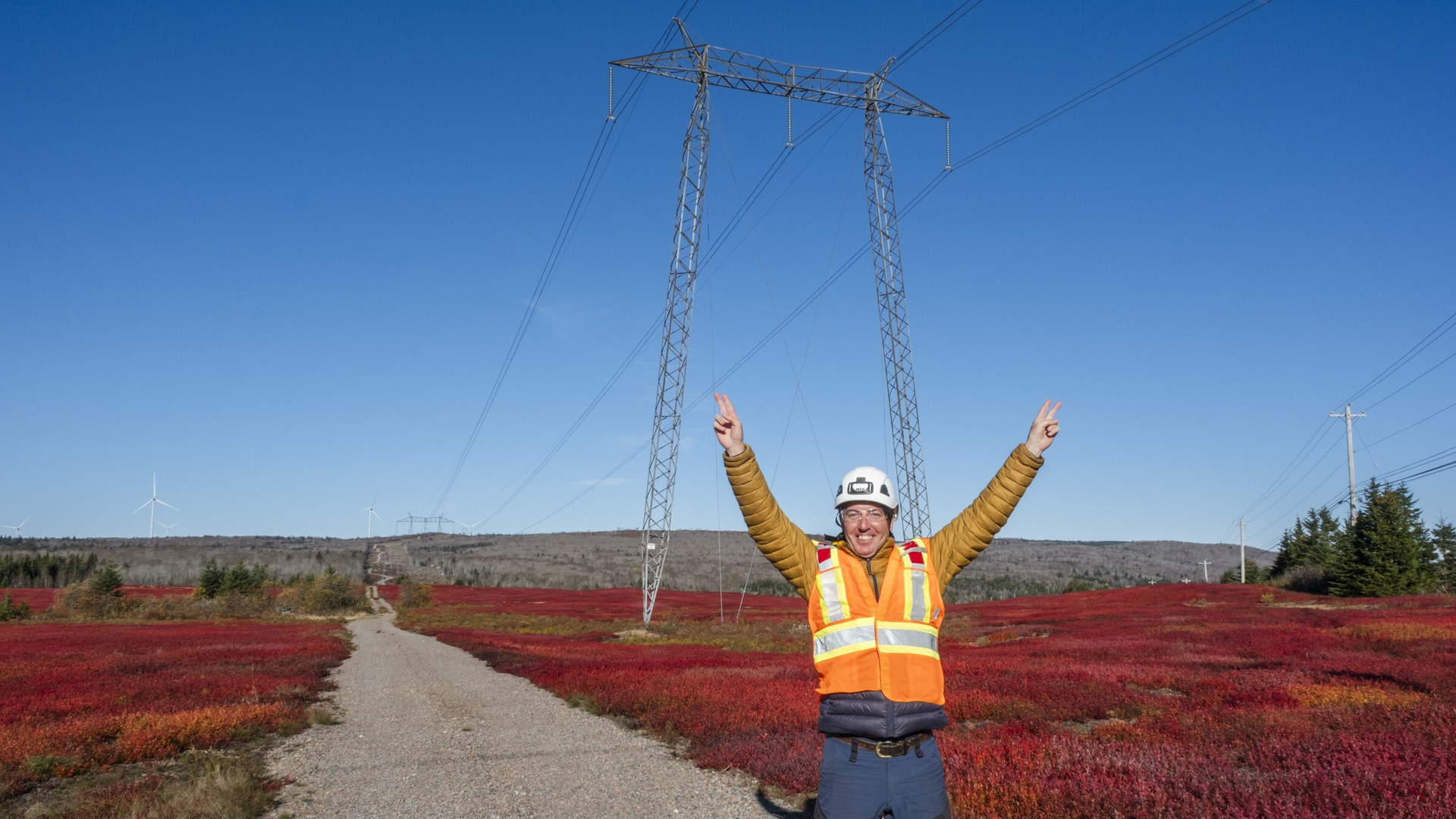
The grid is everything between where electricity is made and where you use it. Power plants, wind farms, and dams make it. Big transmission lines carry it across long distances. Local lines and poles bring it down your street and into your home. All of it is connected, and all of it runs in step. The North American grid is often called the largest machine ever built, and your toaster is plugged into it.

2. It balances itself every second
Electricity is made the instant you use it. When you flip a switch, electricity flows from a generator to you as a consumer. Grid operators match supply to demand around the clock, second by second, to keep everything steady. You never see it happen. That's the point. You only notice the grid when it doesn't work. Very smart people work to make sure that rarely happens.
3. Its big moment is a cold winter morning
The grid is built for its busiest hour. Here, that is the morning of the coldest day of the year, when everyone wakes up, turns up the heat, and puts the kettle on at once. In New Brunswick, winter demand is roughly twice summer demand (Atlantica Centre for Energy). During one polar vortex, utilities across the region set all-time records on the same morning, and the lights stayed on. The term for this is peak load.
4. Our power is homegrown
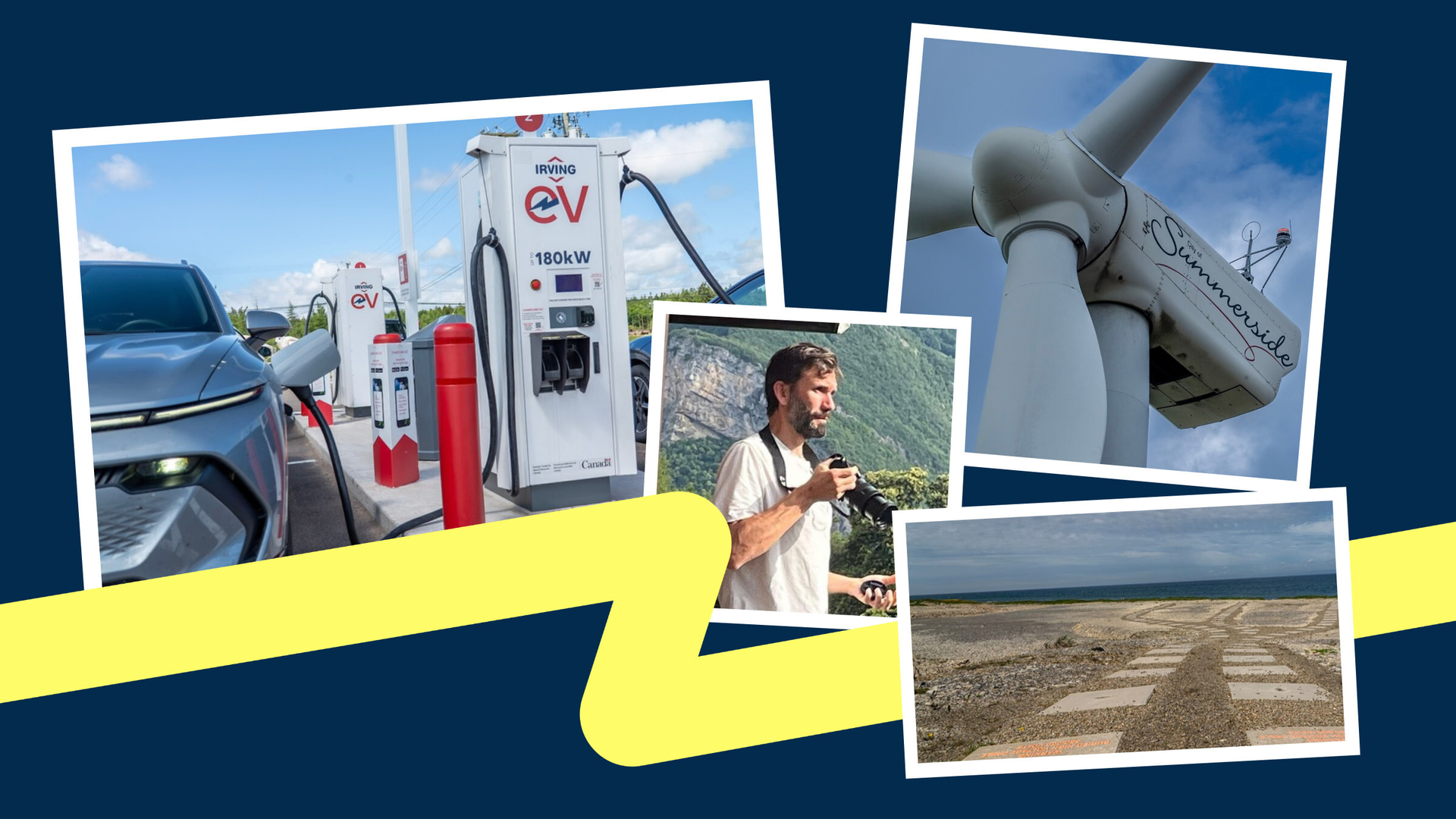
Atlantic Canada makes electricity from rivers, wind, and more. Hydro from Labrador and Newfoundland, wind from across the region, and nuclear in New Brunswick all feed the same system. Different sources cover for each other, which is what keeps our grid reliable.
5. The provinces share
Our four provincial systems are linked. The Maritime Link carries hydro power from Labrador to Nova Scotia through two subsea cables, each about 170 km long. Cables under the Northumberland Strait connect Prince Edward Island and New Brunswick, and two more are planned (Government of Prince Edward Island).
When one province needs a hand, a neighbour can send power. A bigger, better-connected grid is a steadier one.
6. Your home is part of it
Your grid does not stop at your electricity meter. Your heat pump, your water heater, and your electric car are all part of the machine. When you use power matters as much as how much you use.
Small shifts help on the busiest mornings: charging the car at midday or overnight, or running the dishwasher late at night instead of at the peak. Thousands of homes doing that together act like a power plant nobody had to build.
7. We are building the next one together
More Atlantic homes are choosing heat pumps and electric vehicles, and the system is growing to carry them. Last July, New Brunswick, Nova Scotia, and Prince Edward Island agreed to explore ways to plan their electricity systems together, with a regional roadmap due in spring 2027.
Stay connected
The grid is the biggest thing we are all plugged into. It is reliable, it is homegrown, and it is getting stronger.
Wanna go deeper on all this? Check out all our energy articles to charge up your knowledge.