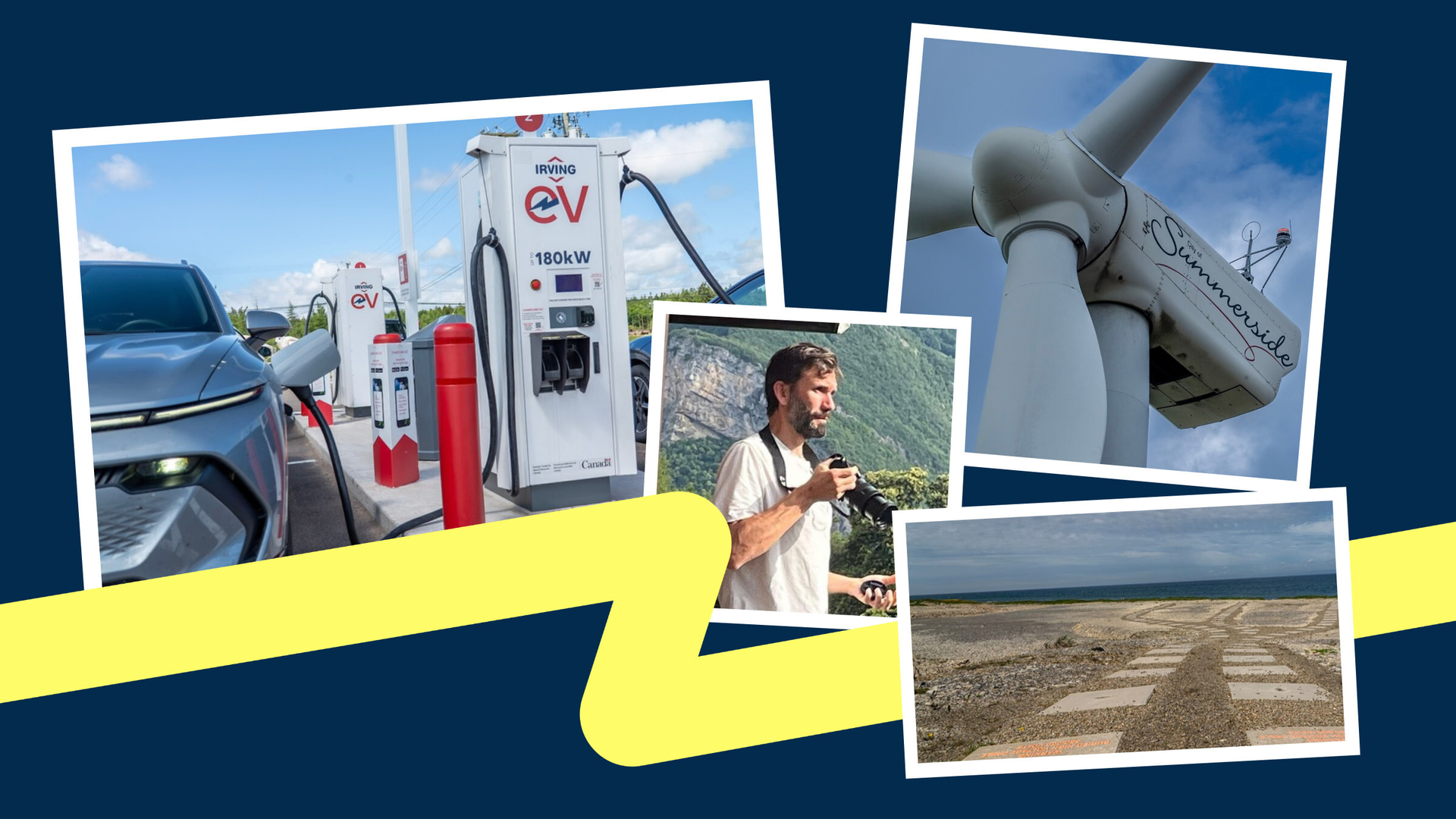

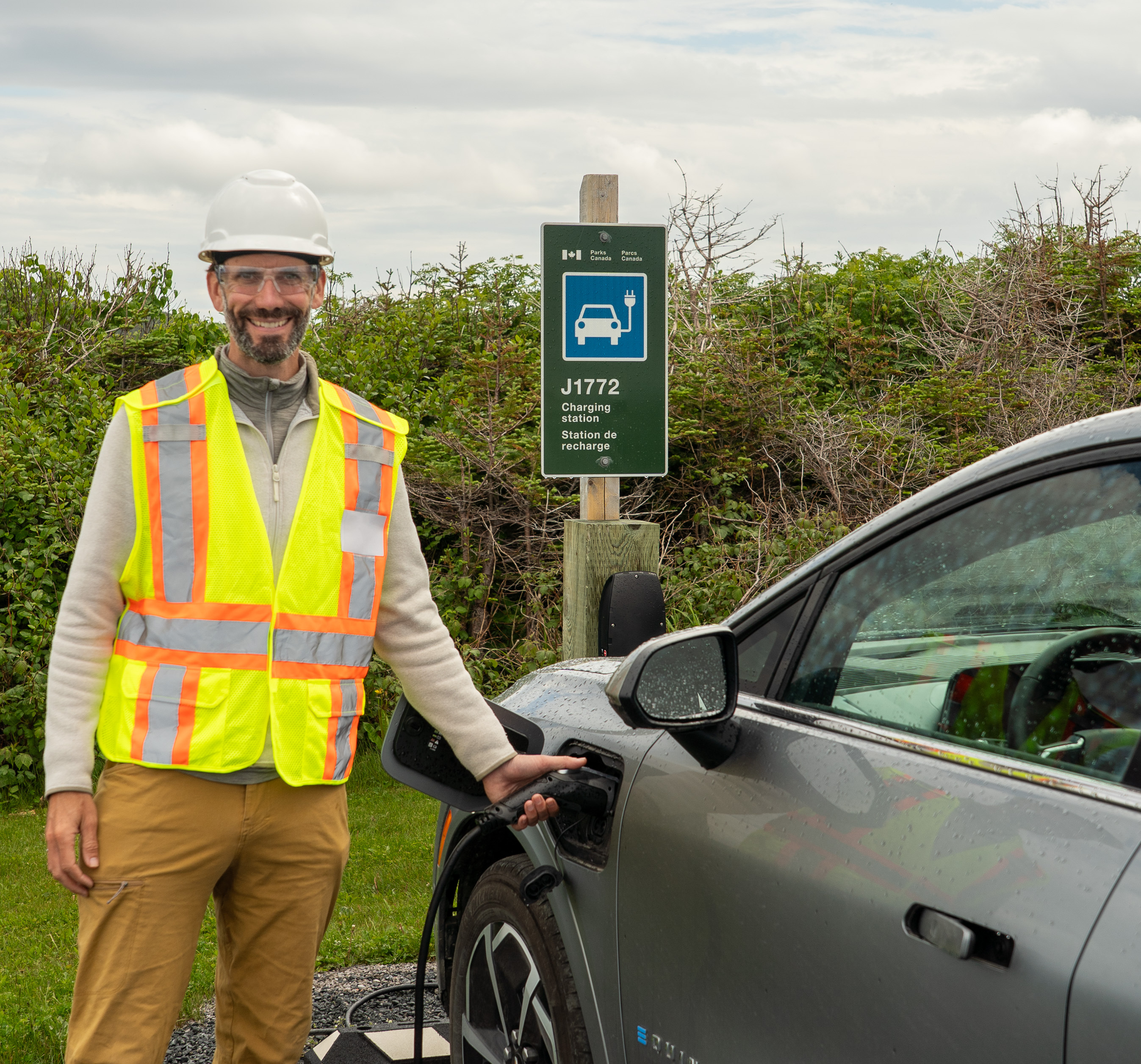
It is a sunny afternoon in mid-July as I pull into an Irving Big Stop outside of Aulac. Like everyone else, I am looking for a break and perhaps a coffee. Unlike most, I am here to charge my EV.
It was a fitting image of what I found travelling through Atlantic Canada: familiar places with a clean-energy twist I might have missed if I hadn't been looking for it.
The trip
After 20 years working on clean energy policy, I was curious. Canada has invested nearly $330 billion in the clean energy economy over the past decade, but what does that look like on the ground?
In May 2026, I set out on a 30,000-kilometre EV road trip to visit 50 clean energy sites. By July, I had reached Atlantic Canada, with a dozen stops planned from Anne of Green Gables to the Port of Belledune.
The Atlantic leg, by the numbers
~5,000 km driven in an EV across the region
~$400 saved on fuel, about half the cost of the same trip in a gas car
~250 public fast chargers installed in Atlantic Canada since 2017, with 100 more planned
2 EVs on the ferry home (including mine)
Driving electric: it works, but it's far from perfect
The biggest takeaway from driving an EV across Atlantic Canada is that it works. I travelled nearly 5,000 kilometres, a journey that would have been impossible in an EV just five years ago. I charged primarily on non-emitting electricity supplies and saved ~$400 on fuel, making the trip roughly half the cost of an equivalent gasoline car.
It wasn't perfect. In Deer Lake, a broken charger screen forced a 20-minute detour to a new station that wasn't yet on Google Maps; fortunately, it was in another routing map. But the network is expanding, with nearly 250 fast chargers installed since 2017 and 100 more planned.
Old places, new technologies
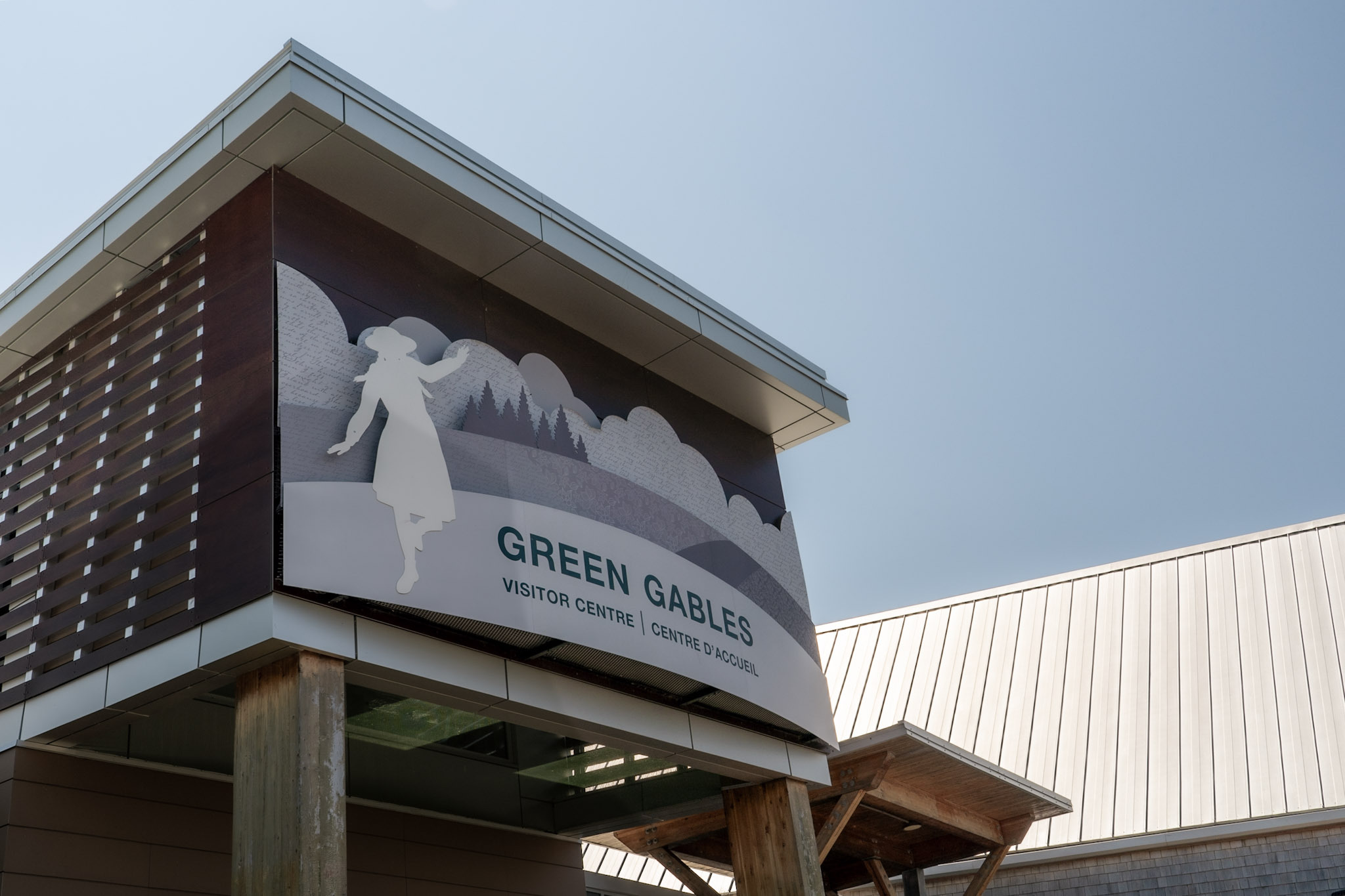
On my first visit to PEI, I couldn't resist stopping at Green Gables Heritage Place. I found a bank of EV chargers near the entrance, with one spot free. The historic farmhouse now shares the site with a visitor centre opened in 2019, complete with solar panels, mass timber and energy-efficient design.

My favourite view was from beside the old house, looking across to the new building. Heritage and modern buildings sitting side by side.
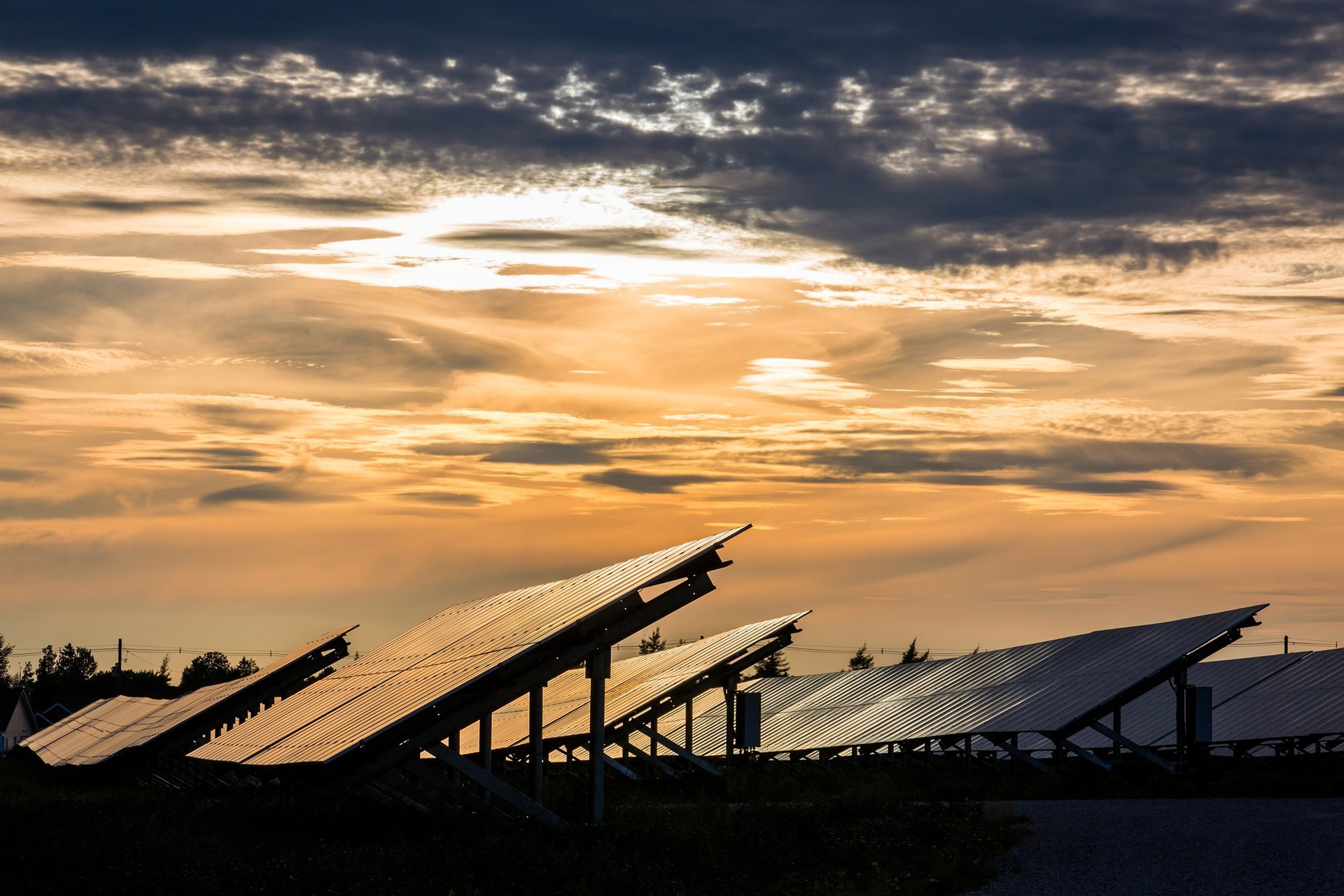
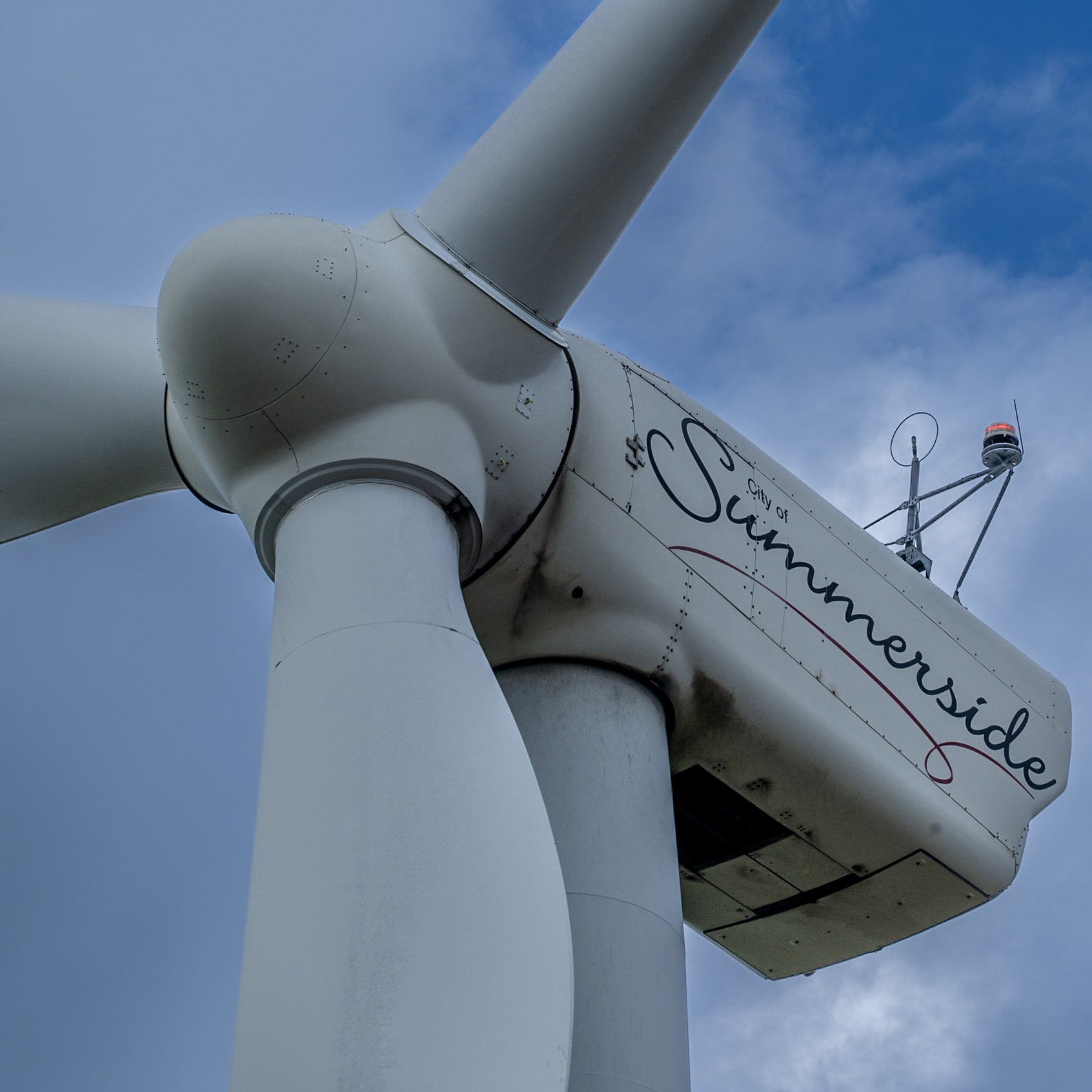
Nearby, Summerside offered an example of what sustained local investment can achieve. I stopped at its wind turbines and solar power station near the airport. Through wind, solar and household energy programs, the municipality has increased local renewable electricity from 40% in 2015 to over 60% in 2025.
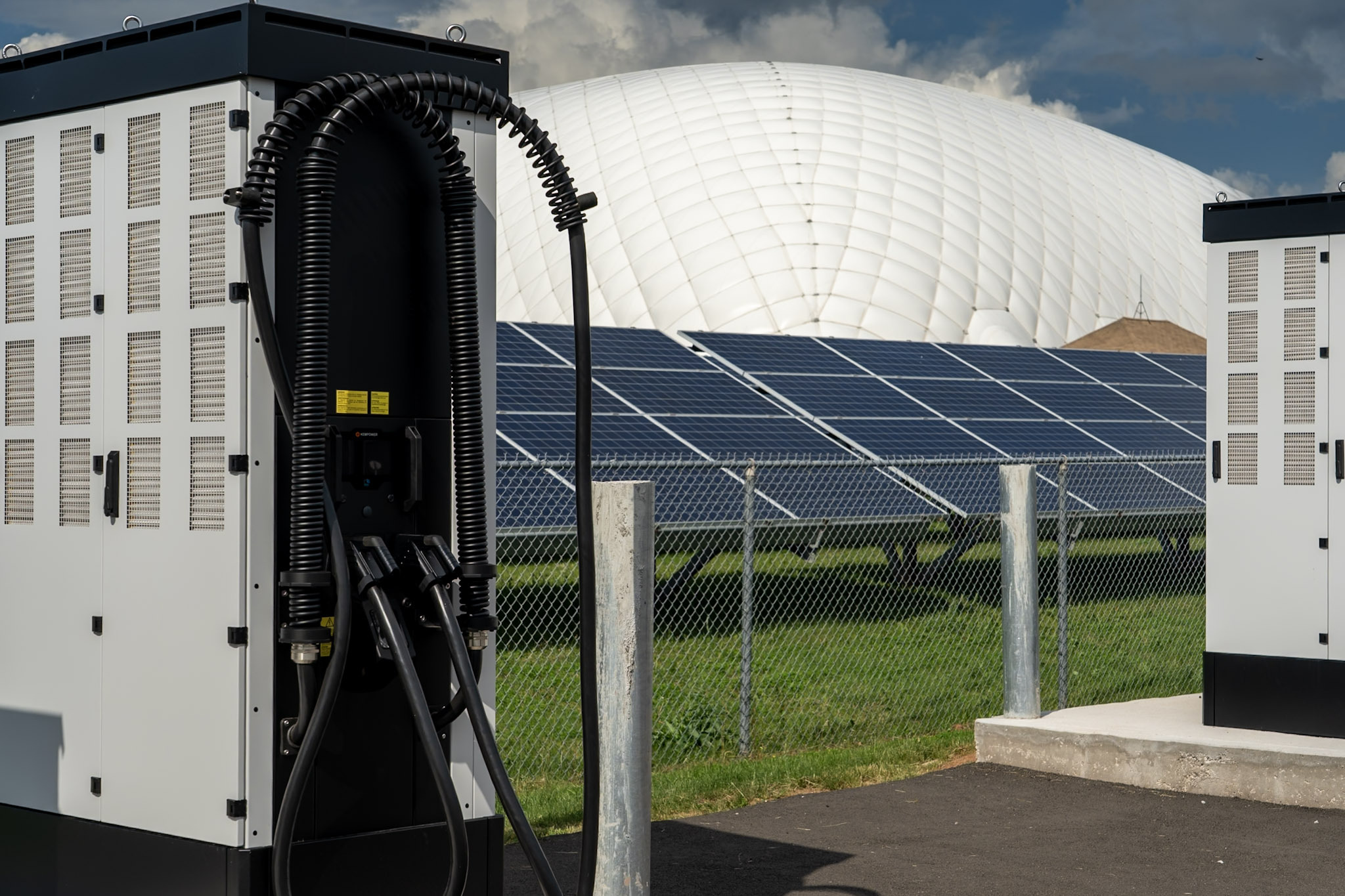
There have been setbacks. In September, after my visit, a fire broke out at Summerside's battery facility, prompting local safety warnings and taking the storage system out of service. An investigation into the cause is ongoing.
Connecting grids and ports
At the Port of Belledune, the energy transition was harder to spot. Canada's fourth-largest coal plant by capacity towered over the port. But in its shadow lay enormous wind turbine blades, ready to be delivered to a wind project in the Gaspésie. The port has been handling components for wind farms across the region, while plans are underway to convert the coal plant to biomass.
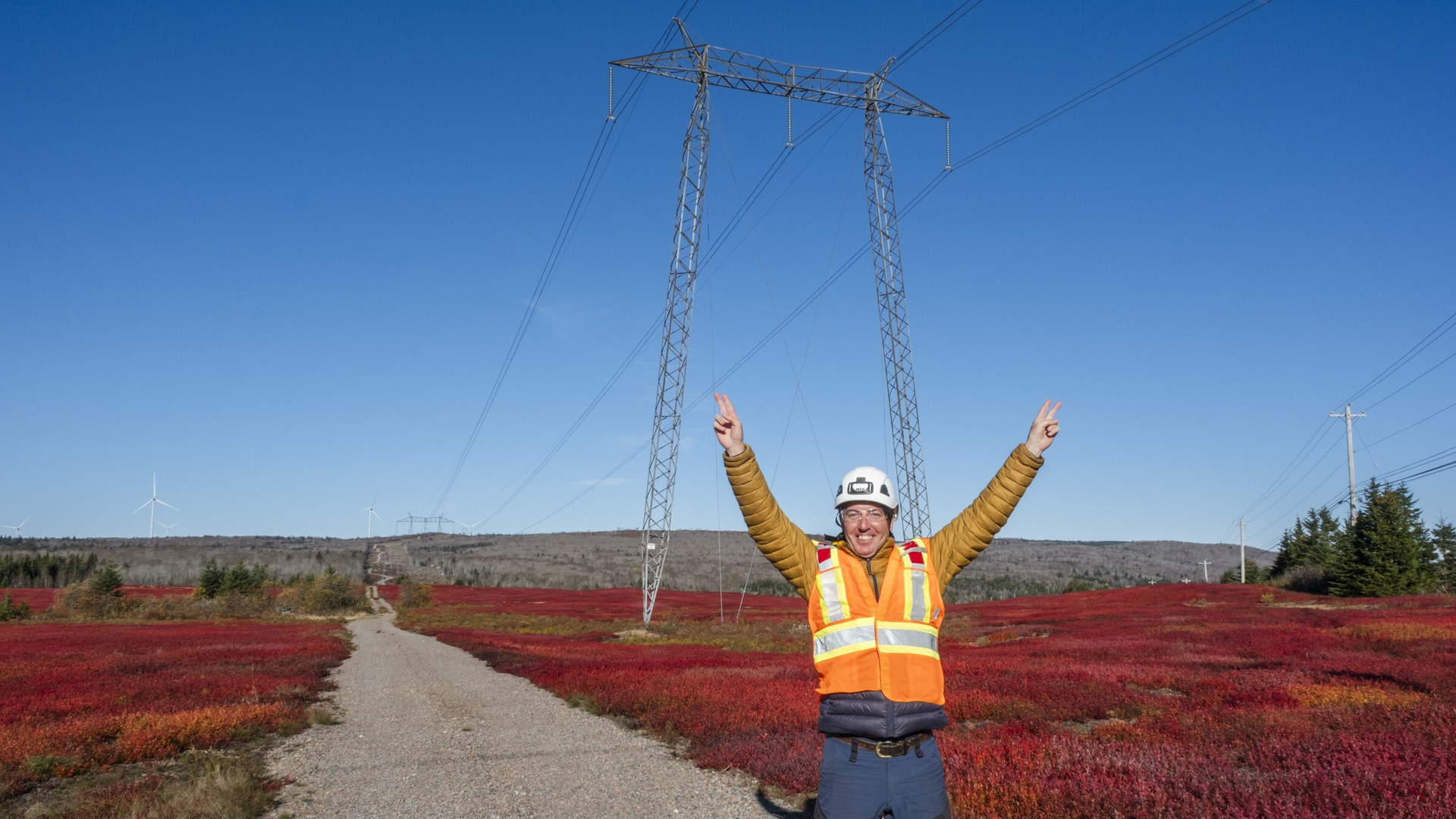
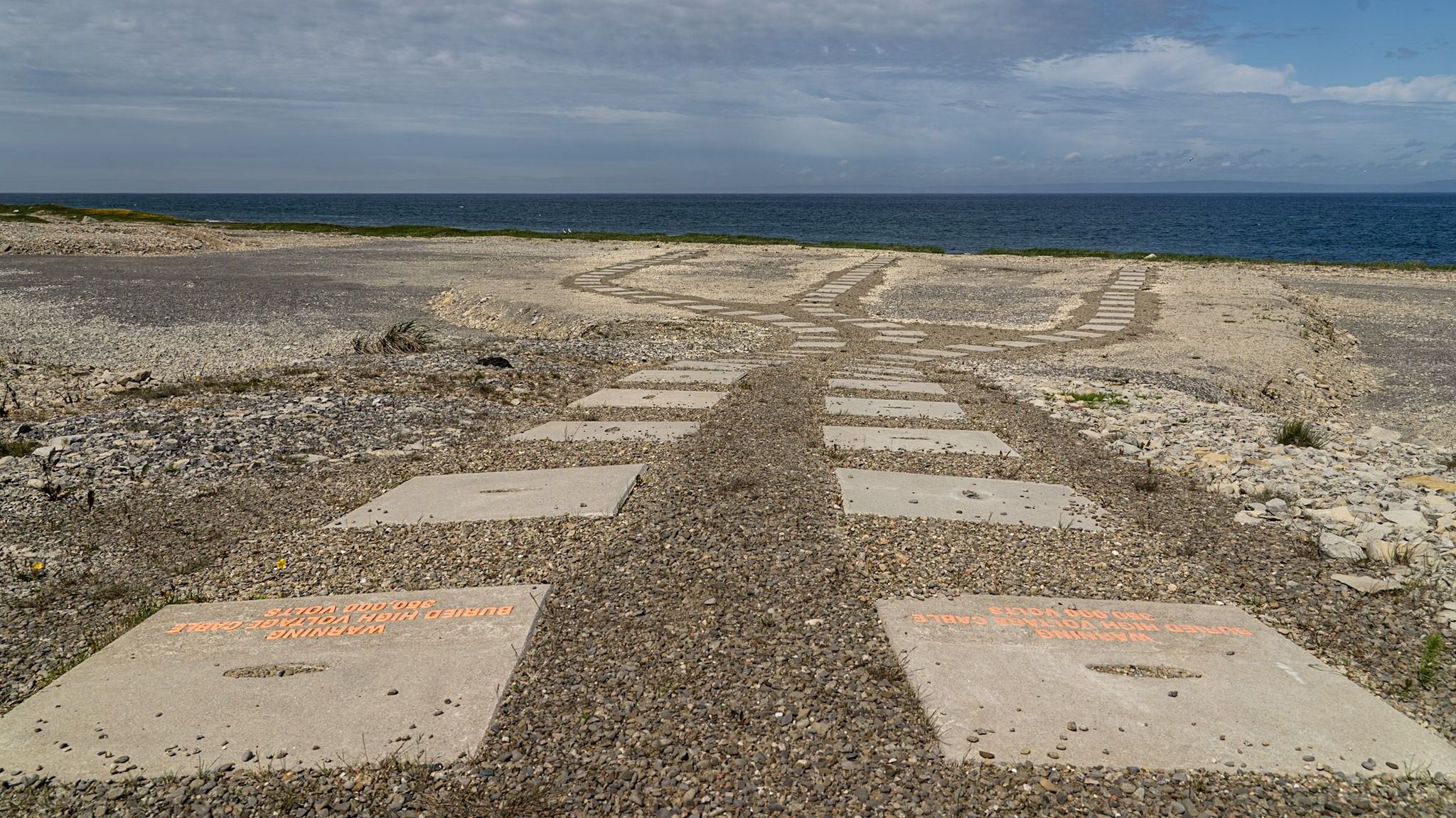
In northern Newfoundland, I stopped at the Labrador–Island Link, part of a 1,100-kilometre transmission system connecting Labrador's hydroelectric resources to the island and reducing reliance on oil-fired power. Through the connected Maritime Link, Labrador hydro also supplied nearly 20% of Nova Scotia's electricity needs in 2025, helping reduce reliance on fossil fuels.
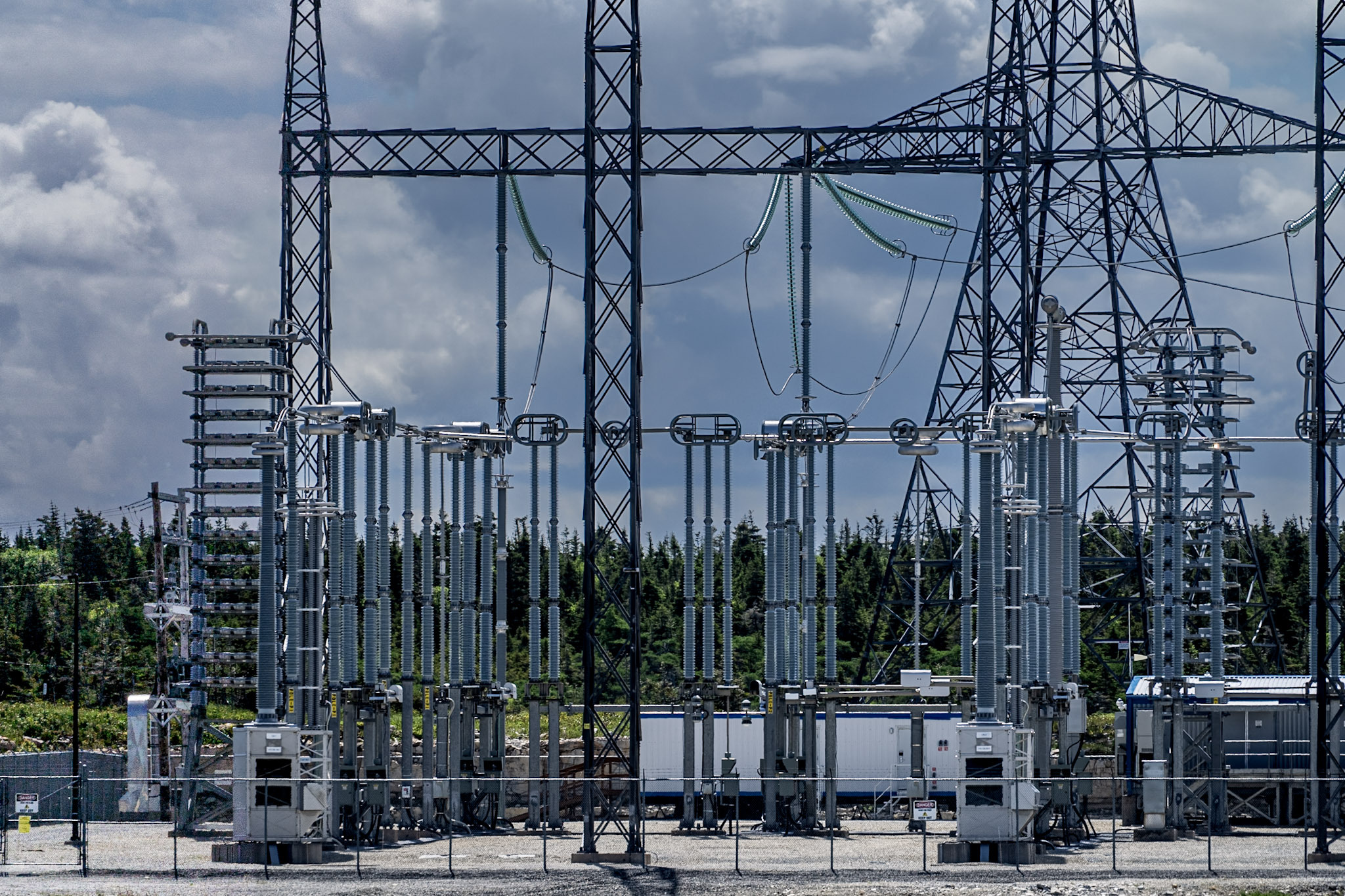
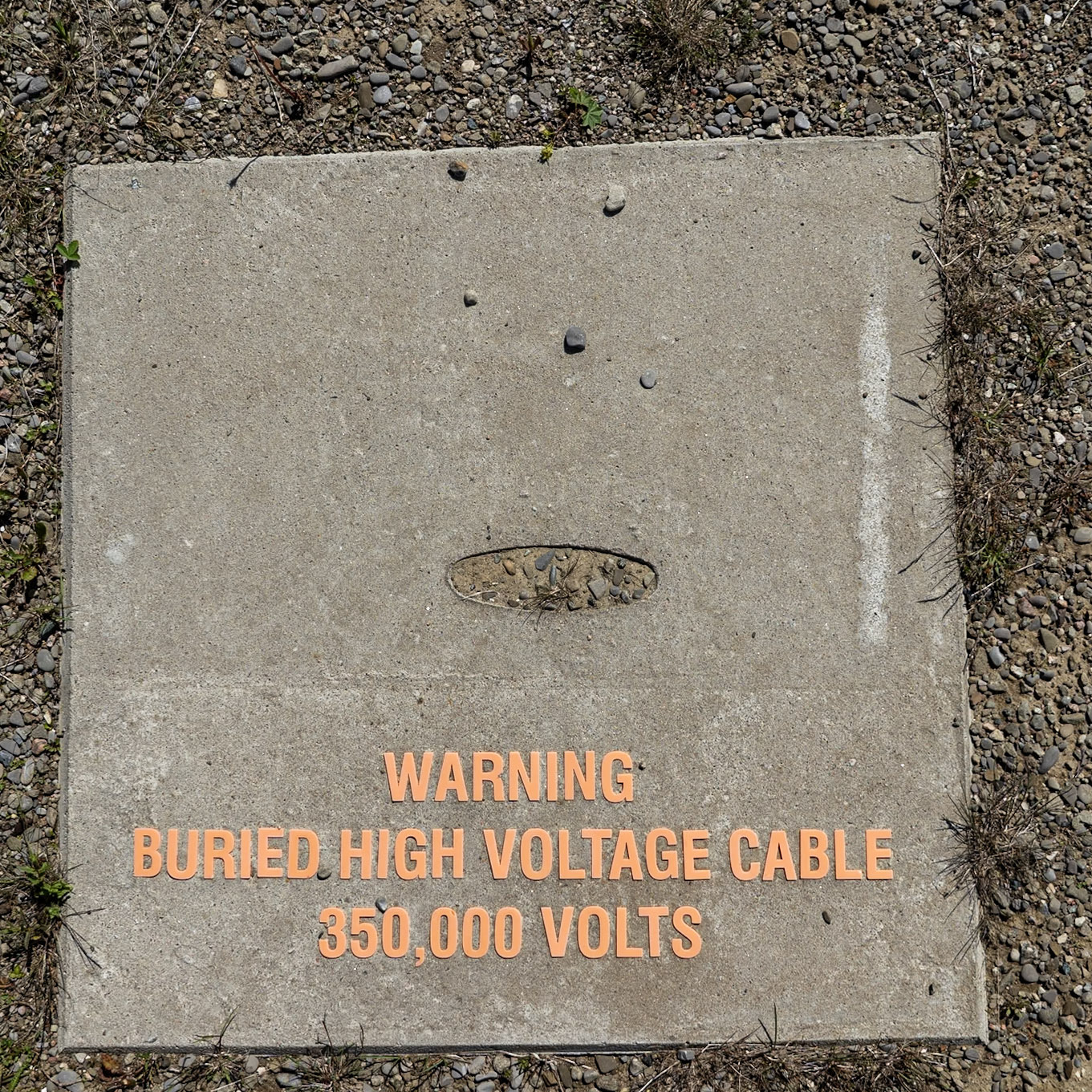
For such an important piece of infrastructure, I expected fences and large signs. Instead, I drove right past it and had to retrace my steps. North of Shoal Cove, a series of concrete blocks marks where the electricity cables disappear beneath the Strait of Belle Isle.
What comes next
Leaving Newfoundland, I queued for the ferry and followed directions to the EV line. I was one of just two EVs aboard.
The transition is far from complete, but its foundations are being laid, and the pieces are increasingly connected. Chargers make electric vehicle travel possible; clean electricity is increasingly powering vehicles, homes and businesses; transmission links regions; and industrial ports help move the equipment needed to build it all.
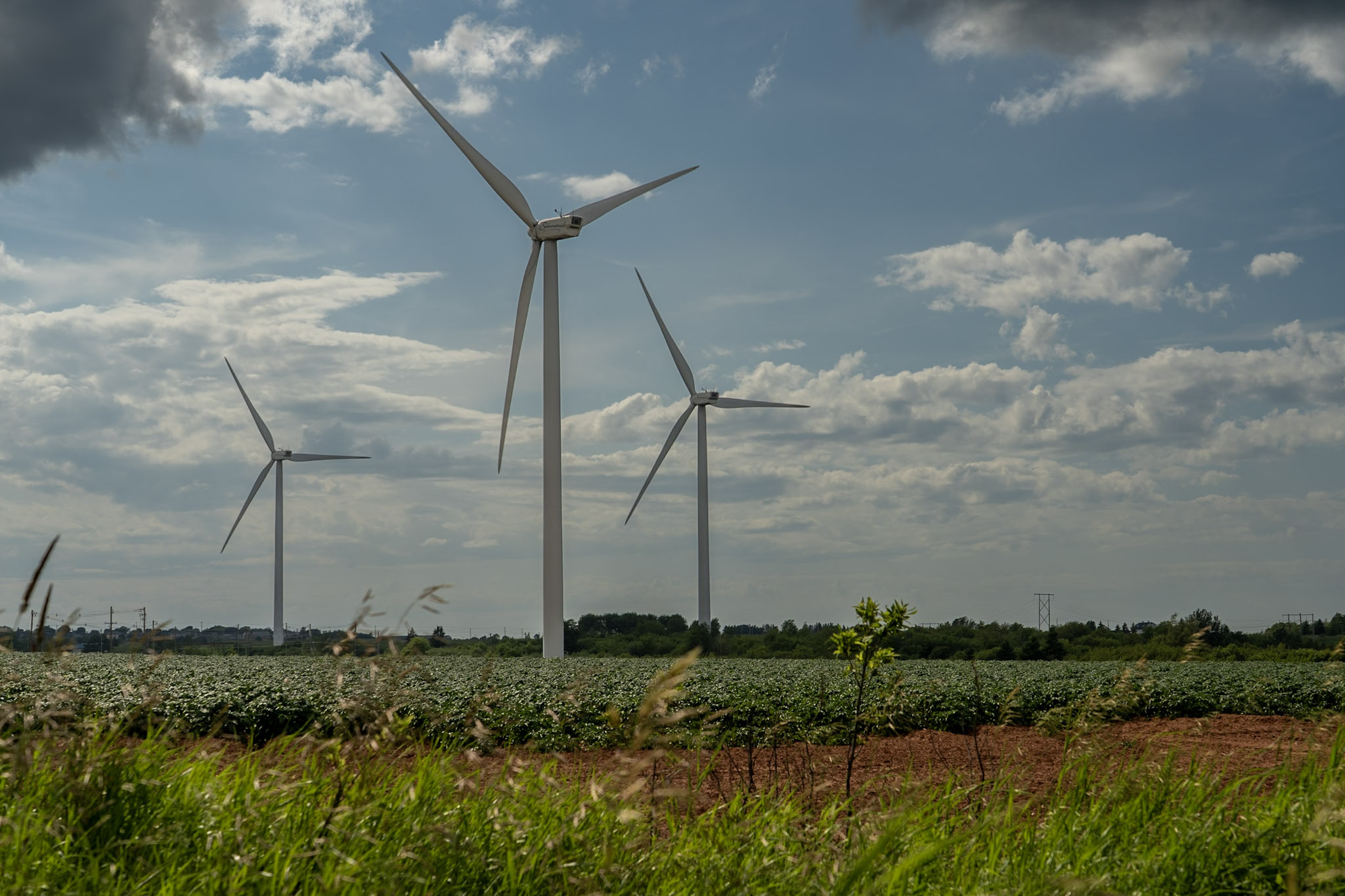
The next phase could be bigger still. The planned Churchill Falls–Gull Island developments and Nova Scotia's Wind West initiative alone represent around $130 billion in proposed investment, alongside opportunities in heat pumps, charging and local electricity systems.
I expect that the next time I drive through Atlantic Canada in an EV, it will be too commonplace to write about.
Stops along the way
- Aulac, NB: Irving Big Stop fast charger
- Cavendish, PEI: Green Gables Heritage Place and visitor centre
- Summerside, PEI: wind, solar, chargers and battery storage
- Belledune, NB: wind turbine blades at the port
- Deer Lake, NL: a broken charger and a new one
- Shoal Cove, NL: where the Labrador–Island Link dives under the Strait of Belle Isle
Jeremy Moorhouse leads the Clean Energy Build-Out Project, documenting the infrastructure and investment transforming Canada's energy economy. Read this story and others at the Clean Energy Build-Out Project.