
Watt's Electric Living?


Electric Living helps Atlantic Canadians understand how our energy system is changing and what those changes mean for our homes, communities, and future. From heat pumps and electric vehicles to transmission lines and regional electricity planning, we're here to make complex energy topics easier to understand.


Why Electric Living exists
 

Canada is entering a period of major change.

More people are choosing electric technologies like heat pumps, electric vehicles, and high-efficiency appliances to improve comfort, reduce energy use, and protect themselves from volatile fuel prices. As more homes, businesses, and communities electrify, demand for clean, reliable electricity will continue to grow.

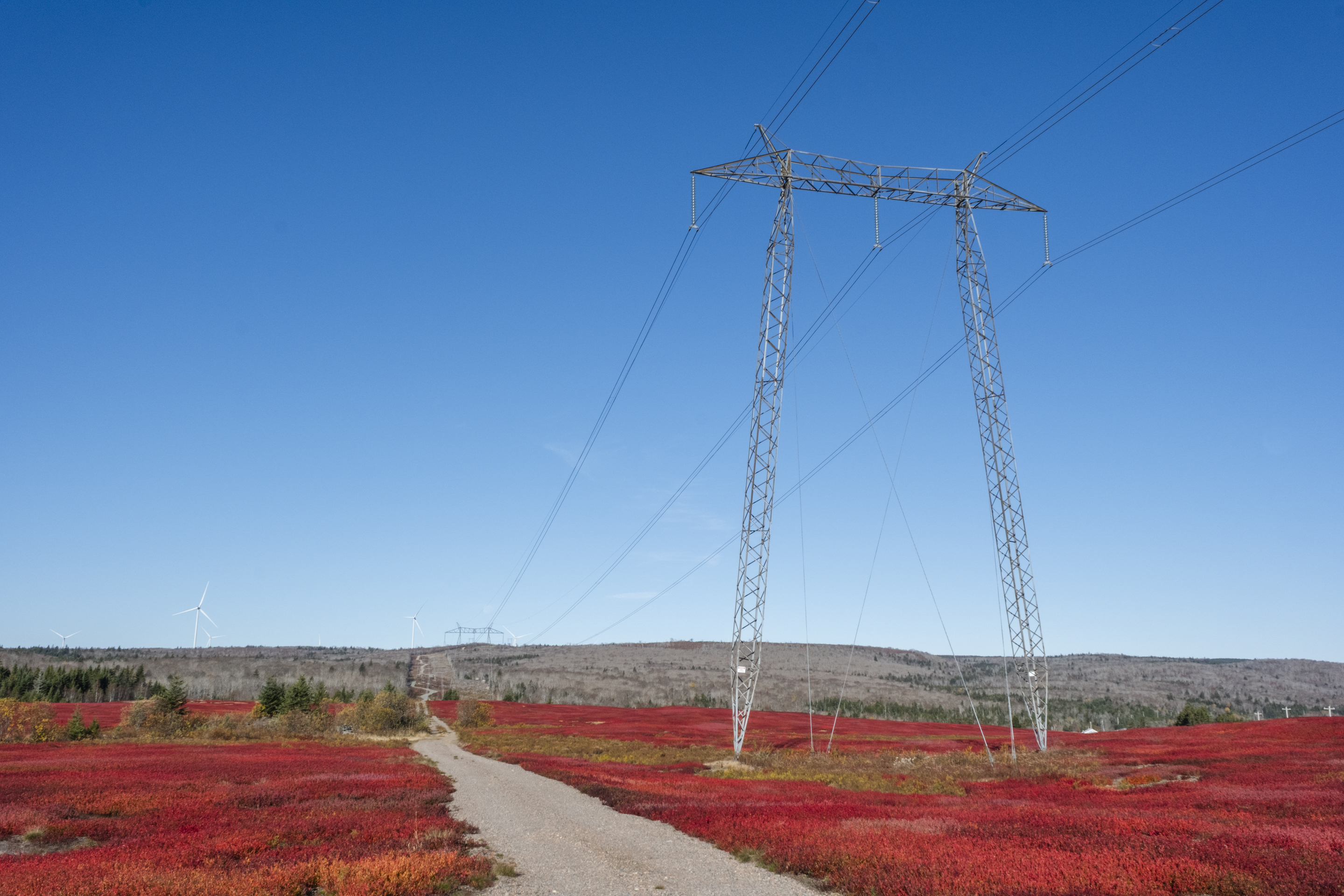
Meeting that demand requires more than changes at home. It also requires the infrastructure that delivers electricity where it's needed, including new generation, transmission lines, energy storage, grid upgrades, and stronger connections between provinces.


These two stories are inseparable.


Electric Living exists to help Atlantic Canadians understand how home electrification and regional electricity cooperation work together. From heat pumps and electric vehicles to transmission lines and interprovincial connections, we're here to make complex energy topics easier to understand and connect them to everyday life.

 

https://electric-living-production-s3.s3.ca-central-1.amazonaws.com/Tx_Blueberries-1.jpg


Why Atlantic Canada?

Atlantic Canada has some of the world's most promising clean energy resources, including wind, hydro, solar, and tidal power. At the same time, households across the region face high energy costs, and each province has historically planned and operated much of its electricity system independently.  As electricity demand grows, governments, utilities, businesses, Indigenous Nations, and communities are exploring how greater cooperation, new infrastructure, and home electrification can work together to build a more reliable, affordable, and resilient energy future. Electric Living helps make sense of those changes and what they could mean for Atlantic Canadians.

What you'll find here
 

Whether you're exploring a home energy upgrade or trying to understand how the electricity system works, Electric Living is designed to make complex topics easier to navigate.

We've got:
 

  • Plain-language explainers on energy and electricity topics
  • Information about heat pumps, electric vehicles, and other electrification technologies
  • Resources that help connect household choices to the bigger energy picture
  • Insights into regional electricity planning, transmission, generation, and infrastructure
  • Stories, events, and tools designed for Atlantic Canadians
     

Our goal is to help people better understand the opportunities and challenges of the energy transition, and how those changes connect to everyday life.


Our approach


Energy can be complicated. Understanding it shouldn't be.


That's why we focus on:
 

  • Accessible language over technical jargon.
  • Practical information you can use.
  • Community perspectives. 
  • Affordability, reliability, and quality of life.
  • Respectful, non-partisan conversations.
     

We don't believe you need an engineering degree to understand how energy decisions affect your life.


Our goal isn't to tell people what to think. It's to provide clear information that helps Canadians make sense of the choices, opportunities, and challenges that are shaping the region's energy future.
 

https://electric-living-production-s3.s3.ca-central-1.amazonaws.com/Chris_Davison_Dartmouth_7.jpg


Explore the future of energy in Canada

The energy transition is already underway. Whether you're interested in electrifying your home, learning more about electricity infrastructure, or understanding the big decisions shaping the region's future, Electric Living is here to help.

Get in touch

Want to learn more about this project? Say hello@electricliving.net We’d love to chat. 

Electric Living is a project of the Atlantic Electricity Cooperation Initiative, and supported by The Transition Accelerator and the Clean Economy Fund.