When the power goes out, we notice immediately.
The fridge goes quiet, the lights go out, and, worst of all, the WiFi disappears. Laundry will have to wait.
At best, power outages are a reason to crack open a bag of storm chips and stay in; at worst, they can be dangerous.
So what happens when your whole life runs on electricity?
It’s a fair question. As more of us heat and cool our homes with heat pumps, drive electric vehicles, and choose electric appliances, our electricity system is evolving too.
Reliability happens at multiple scales
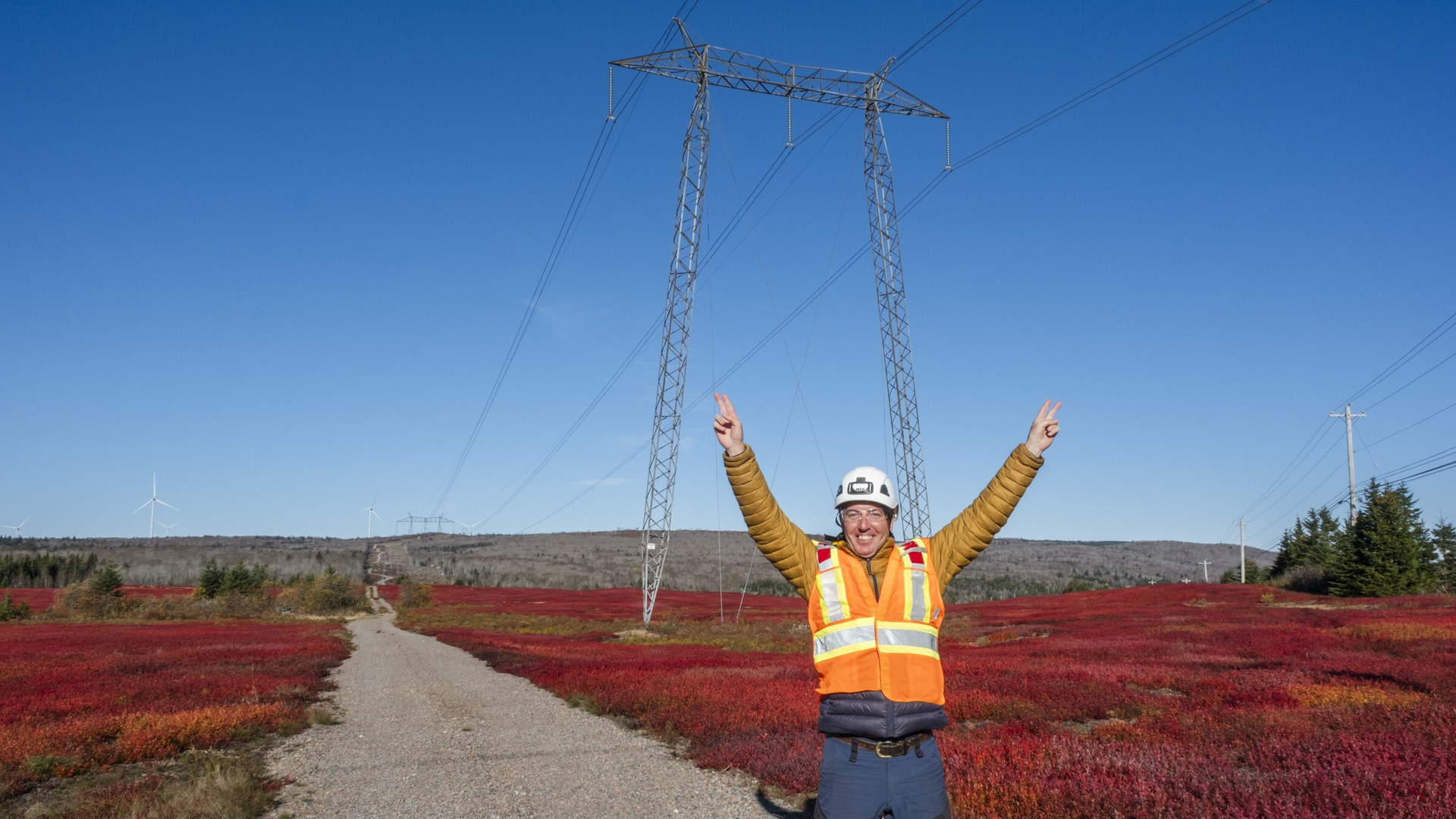
“The grid,” as it’s commonly called, is the network that transmits electricity from where it is generated to cities and communities, and then distributes it to households and businesses.
Keeping that system reliable as demand increases means making sure there is enough electricity when we need it, and enough infrastructure to get it where it needs to go. Reliability also means acting quickly to restore power when the system is damaged by storms.
Some work needs to be done at the large scale (like generating more electricity, moving more of it over long distances, and upgrading local distribution), and some of that work is happening through innovation in our homes.
Home batteries can store electricity and provide backup power when the grid goes down. Newer appliances are getting smarter, too, with technologies that can store energy or adjust when they use it. These developments build flexibility into the grid, ensuring that it remains sustainable.
Then there are the batteries that we already own.
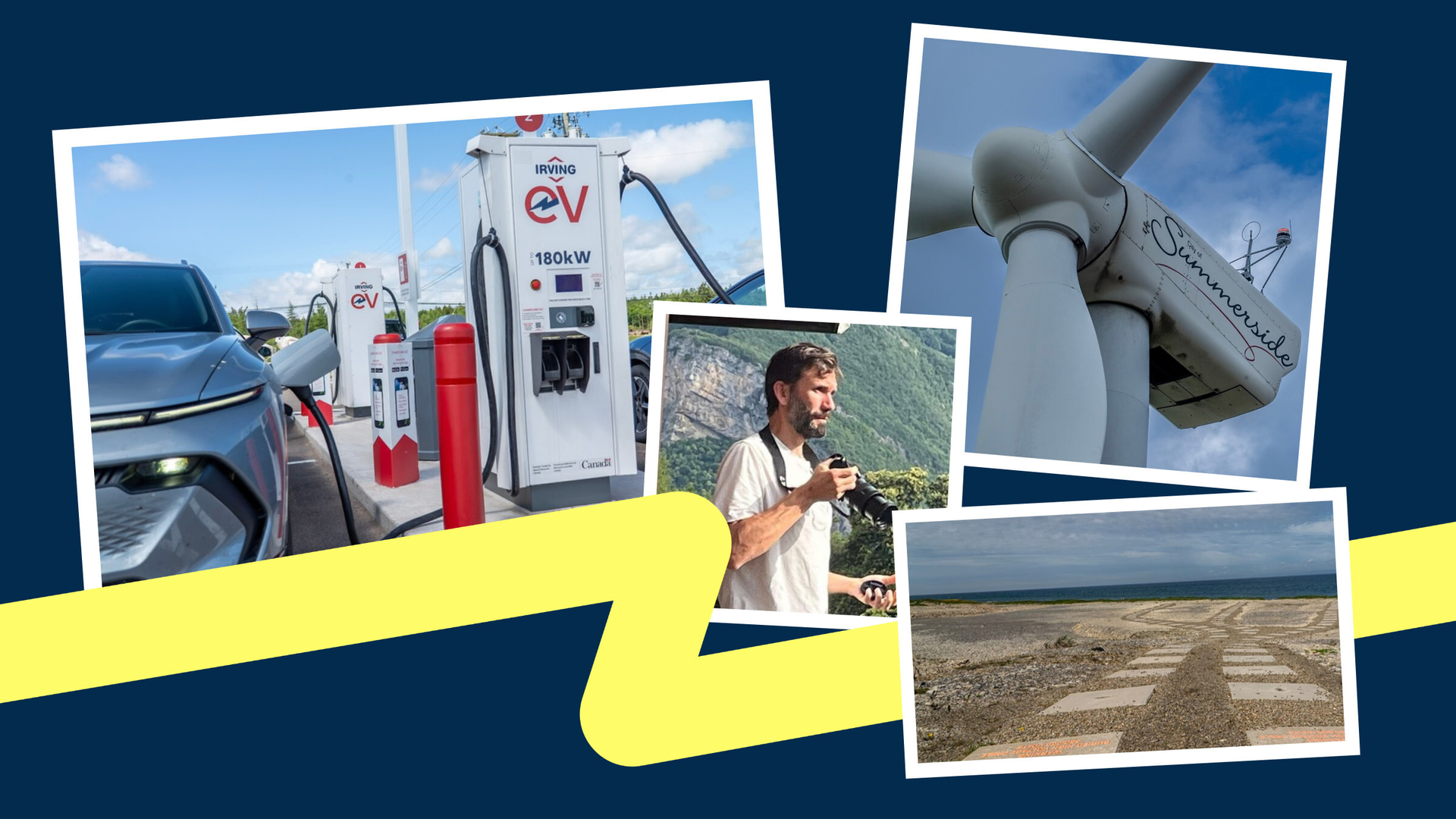
An electric vehicle is basically a very large battery sitting in your driveway. With the right equipment, technologies such as vehicle-to-home and vehicle-to-grid can allow that battery to send electricity back to your house, or potentially back to the grid, when it is needed. These technologies are still developing, but they point to a future where our cars don’t drink up electricity and spit out kilometres, but are part of the energy system as a whole.
A reliable electric future isn't just about making sure the power never goes out, although that is a significant perk. It's about building a system with enough capacity and flexibility to keep working when demand is high, during hurricane season, or when something unexpected happens.