
Three provinces, one power grid. Here’s what the Maritime MOU means, why it matters, and what happens next.
What is the Maritime MOU?
Nova Scotia, New Brunswick, and PEI have agreed to begin planning their electricity systems together instead of province by province.
The agreement commits the provinces to creating a regional electricity roadmap and exploring what an independent energy system operator (IESO) that manages electricity flows across the region would look like. The goal is to reduce infrastructure duplication, improve reliability, and lower long-term costs.
Why does it matter?
Planning as a region can help avoid building unnecessary duplicate infrastructure.
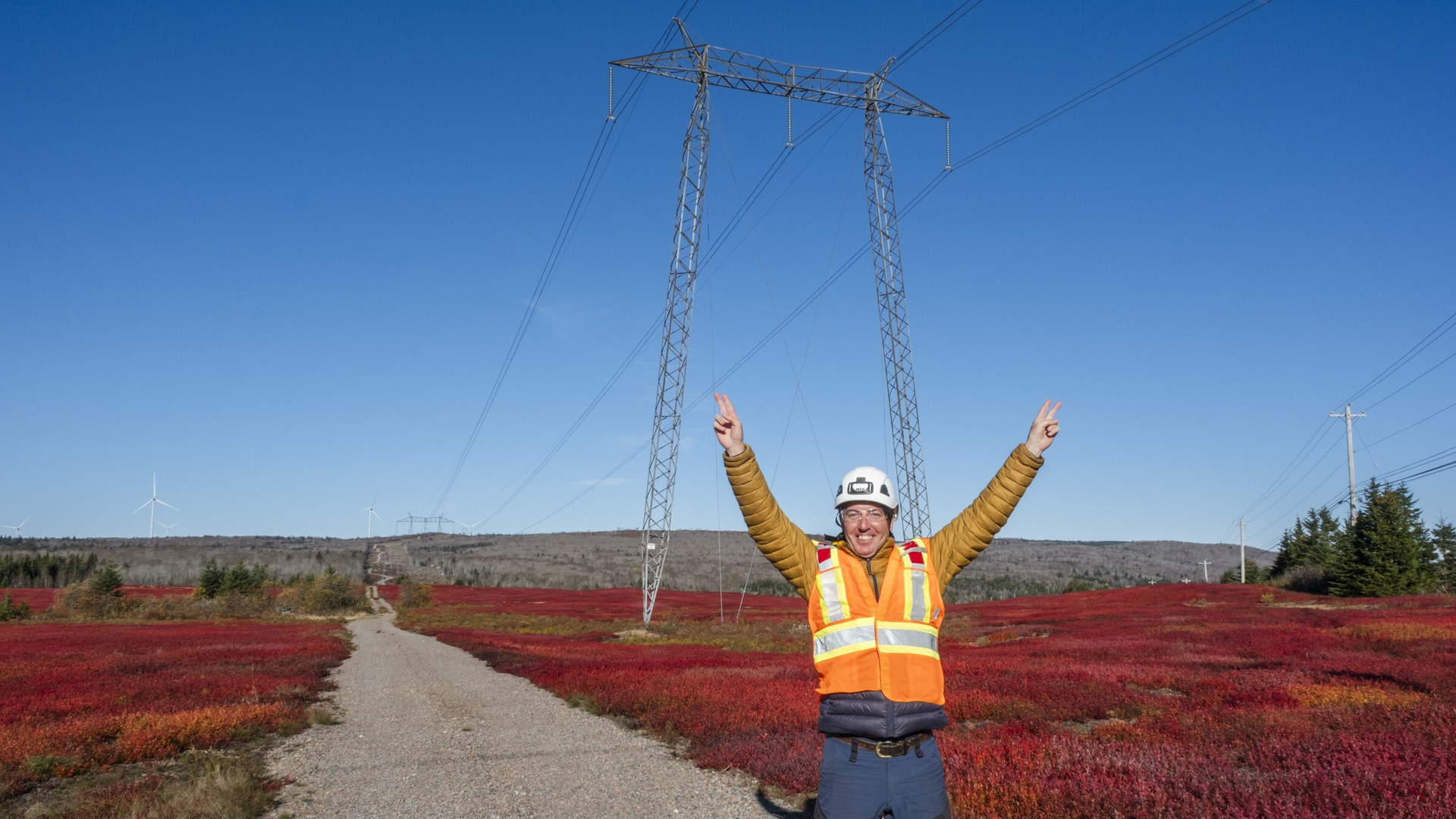
It can also make it easier to move electricity where it's needed during storms, outages, or periods of high demand. As electricity use grows, regional planning can strengthen reliability and create more opportunities to connect renewable energy sources such as wind power.
What doesn't it mean?
The Maritime MOU does not mean electricity bills will immediately go down.
It does not approve any new major transmission projects, and it does not merge provincial utilities. At this stage, the provinces have agreed to work together on planning and exploring future options.