
From the wind farm to your phone charger, electricity moves through a web of connections.
From the grid to your garage
Traditionally, electricity travels through a chain of infrastructure that begins at a generating station. From there, it moves along high-voltage transmission lines to cities and communities, then through local distribution lines to homes and businesses.
When we think about strengthening the grid, though, it helps to picture a network rather than a chain.
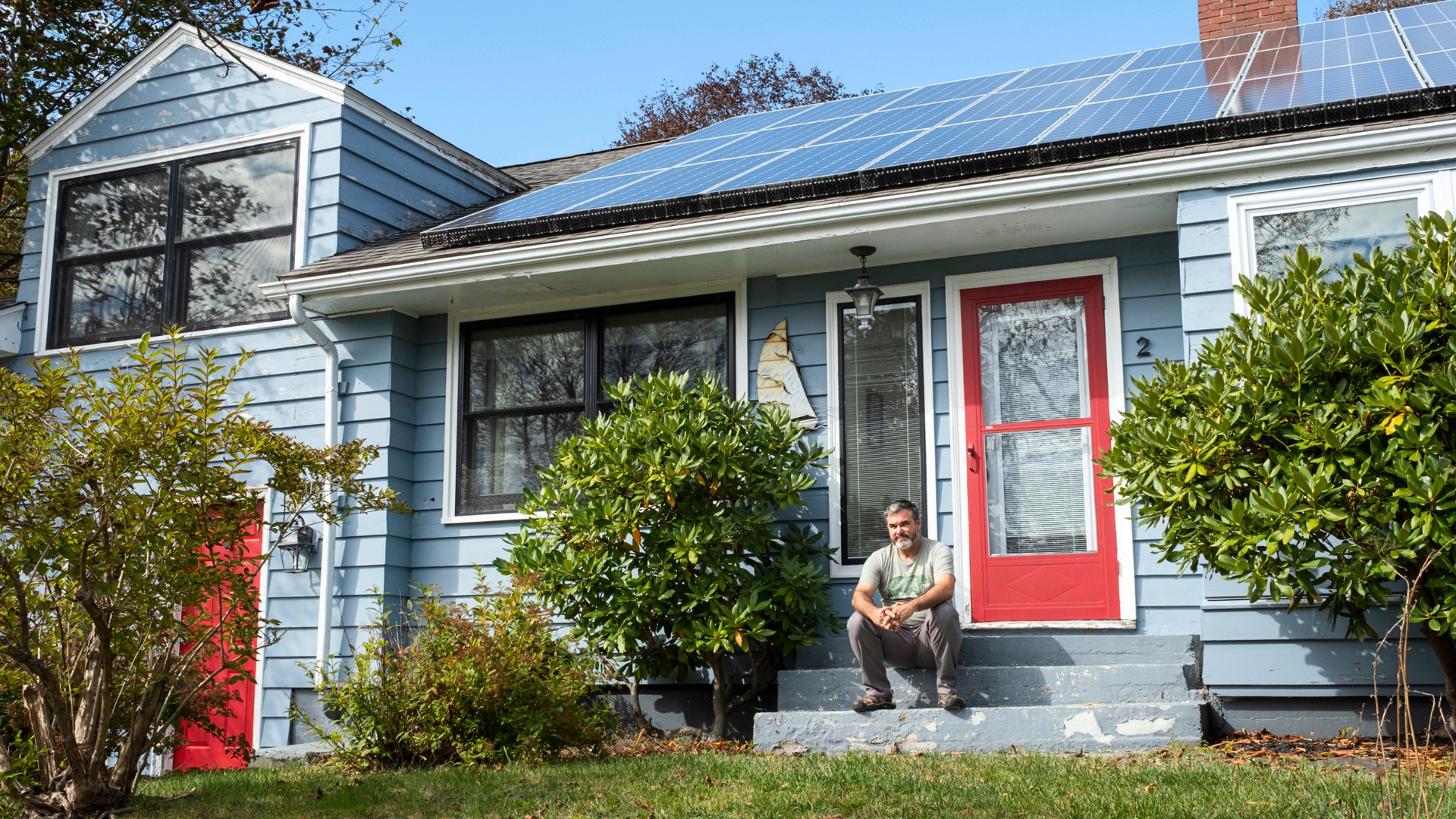
Take rooftop solar panels. On a sunny day, a home might generate more electricity than it needs. Through a grid connection, that surplus can flow into the wider electricity system. In the long winter months, when the panels aren't generating enough, the home can draw electricity from the grid instead.
The same principle applies at a larger scale. Connections between provinces allow electricity to move across borders, helping regions share power and reduce instability.
These connections are one part of building an electricity system that can meet changing needs, make use of more local renewable energy, and keep power reliable.
Want to know where Atlantic Canada’s electricity comes from? Explore the electricity mix by province here.
Building for the next twenty years
Nobody can promise exactly what the 2040s will look like. Here are some of the pieces coming together now:
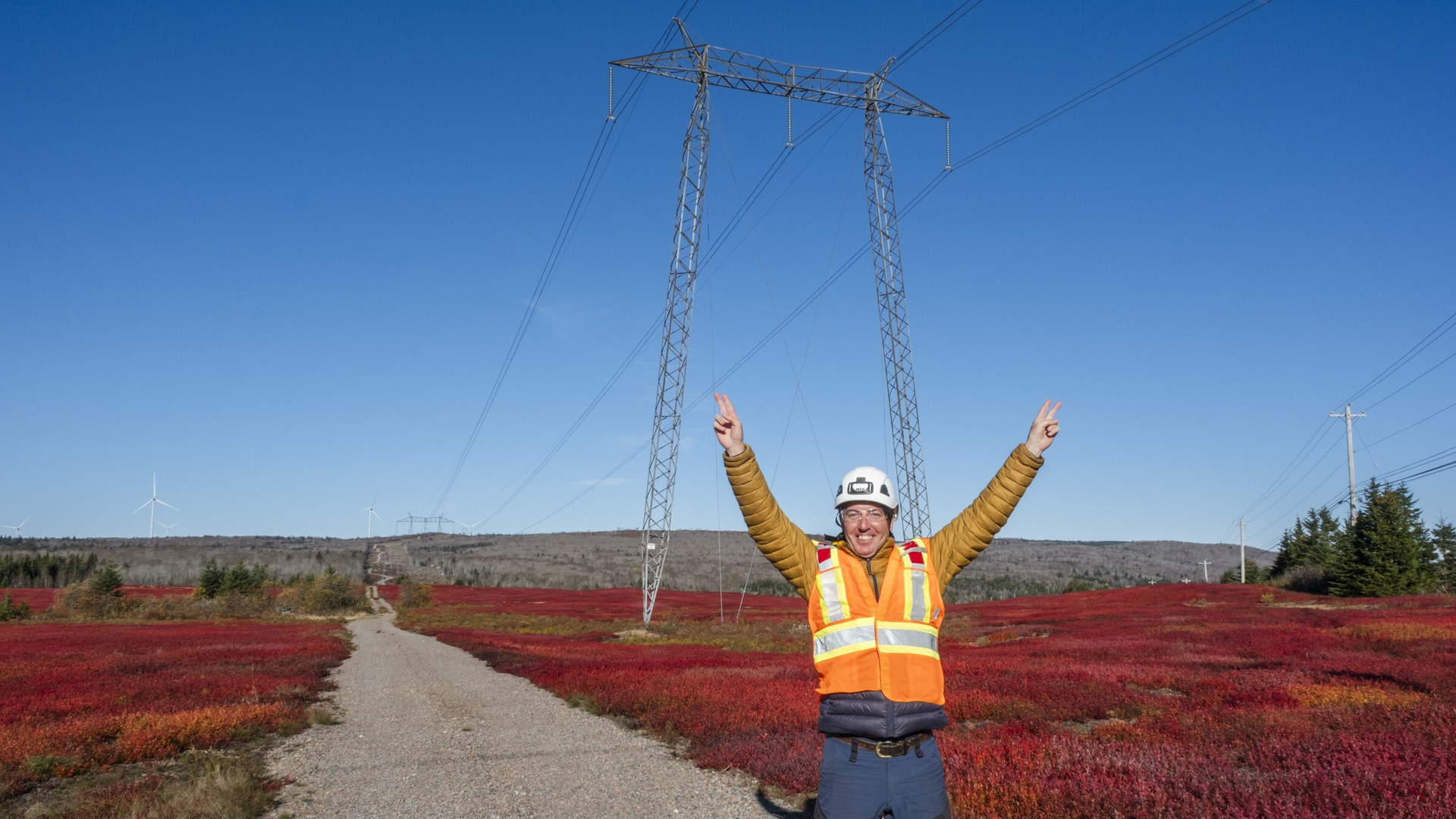
Nova Scotia has set a target to phase out coal-fired electricity by 2030 and supply 80% of its electricity from renewable sources. Its Clean Power Plan calls for nearly 2,000 megawatts of new wind, solar and battery storage, alongside a stronger transmission connection with New Brunswick.
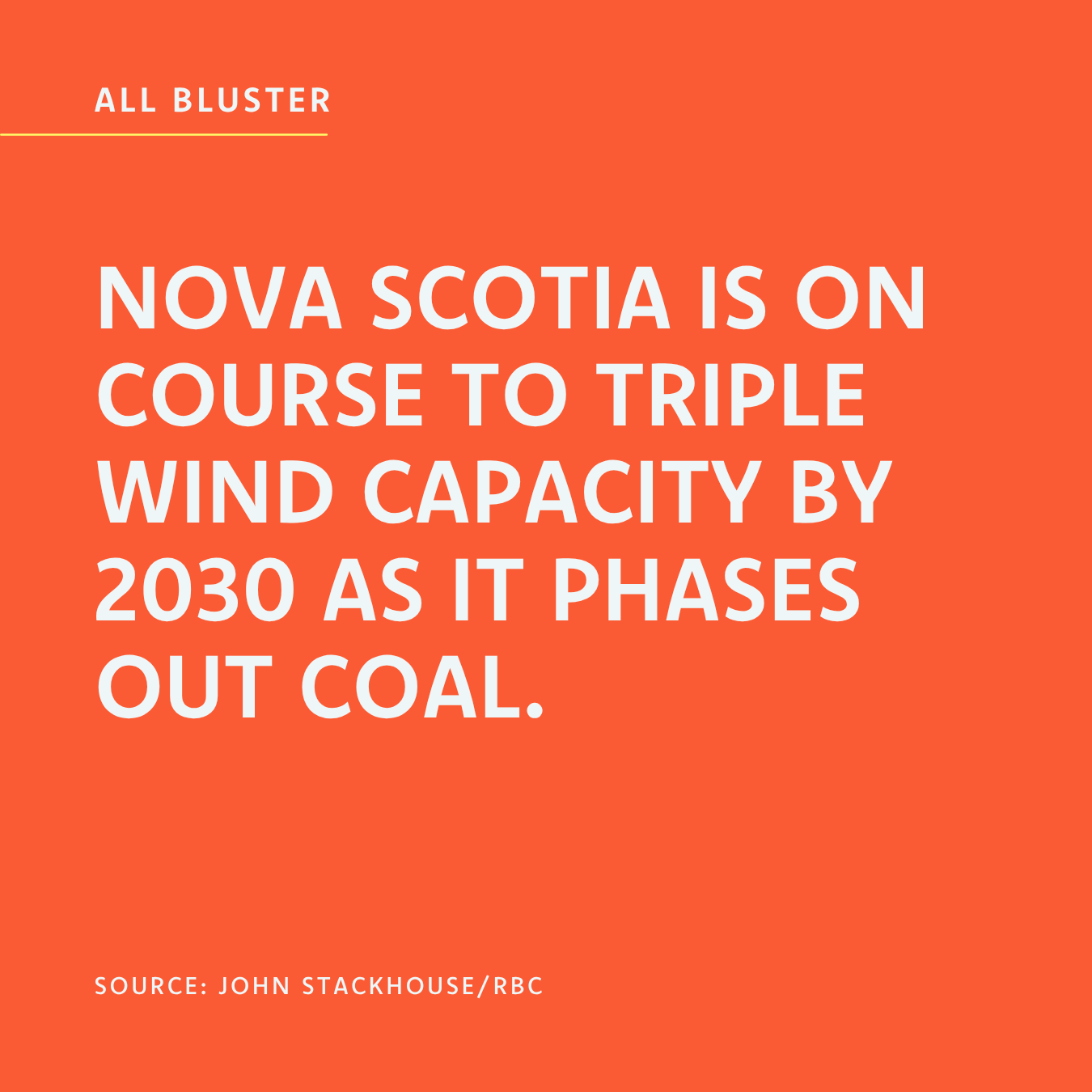
Some of that work is already underway. The province’s first round of new wind projects is expected to begin generating electricity by the end of 2028, while other projects and grid upgrades will help shape what comes next.
Beyond 2030, offshore wind presents another potential source of homegrown electricity. Generating more power here could reduce reliance on imported fossil fuels and exposure to price swings from the global market.
The bigger picture? The more electricity we can generate from local renewable resources, and the better we can move and manage that electricity, the more options we have for building a reliable energy system for the long term.
It’s all connected
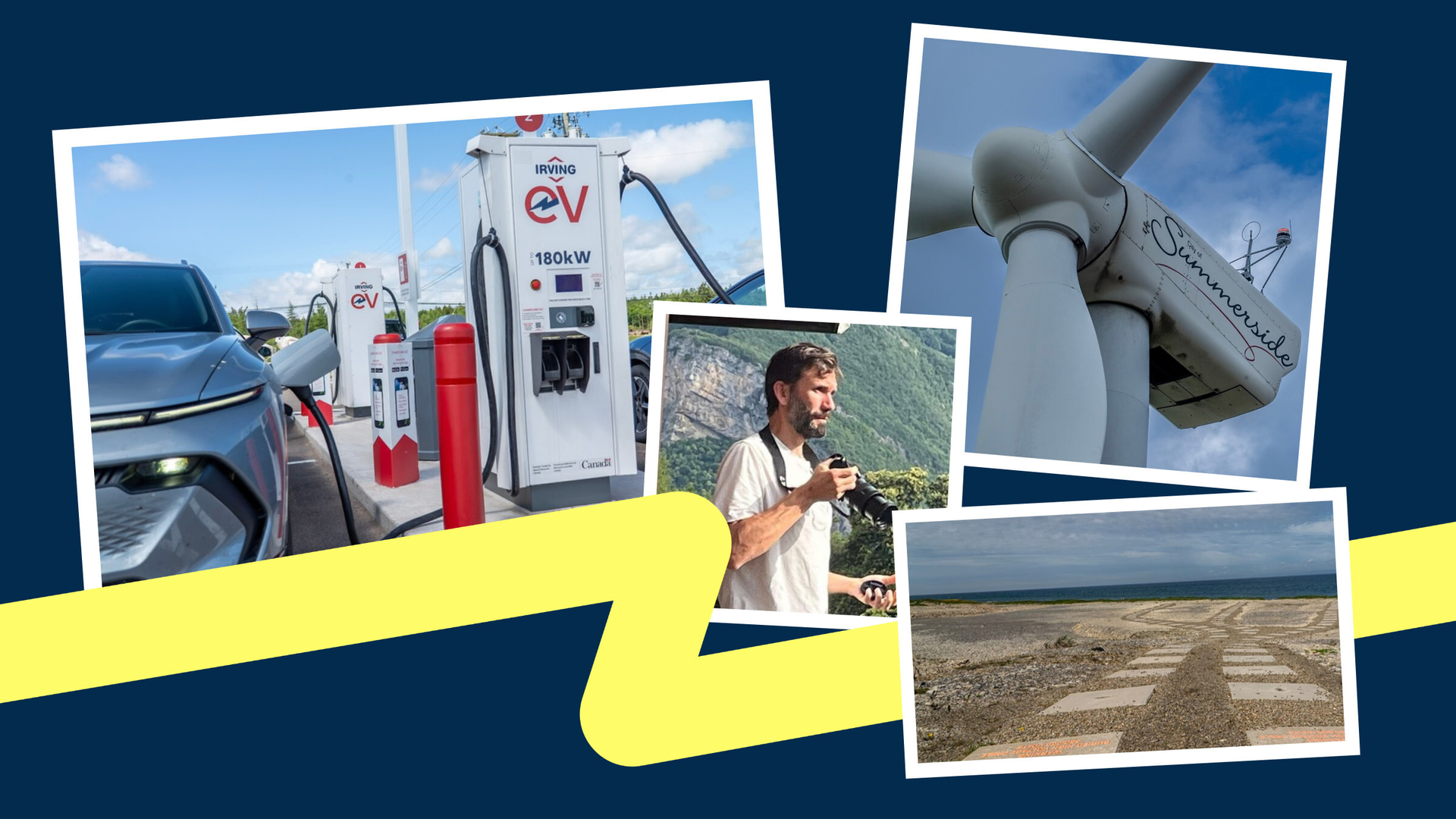
The wind farm, the cables under the Atlantic, the outlets in your kitchen, and the electric vehicle in your driveway are all part of the same system. The choices we make about our homes, our cities, and our energy sources shape what that system can do.
Want to know how much it actually costs to drive electric?