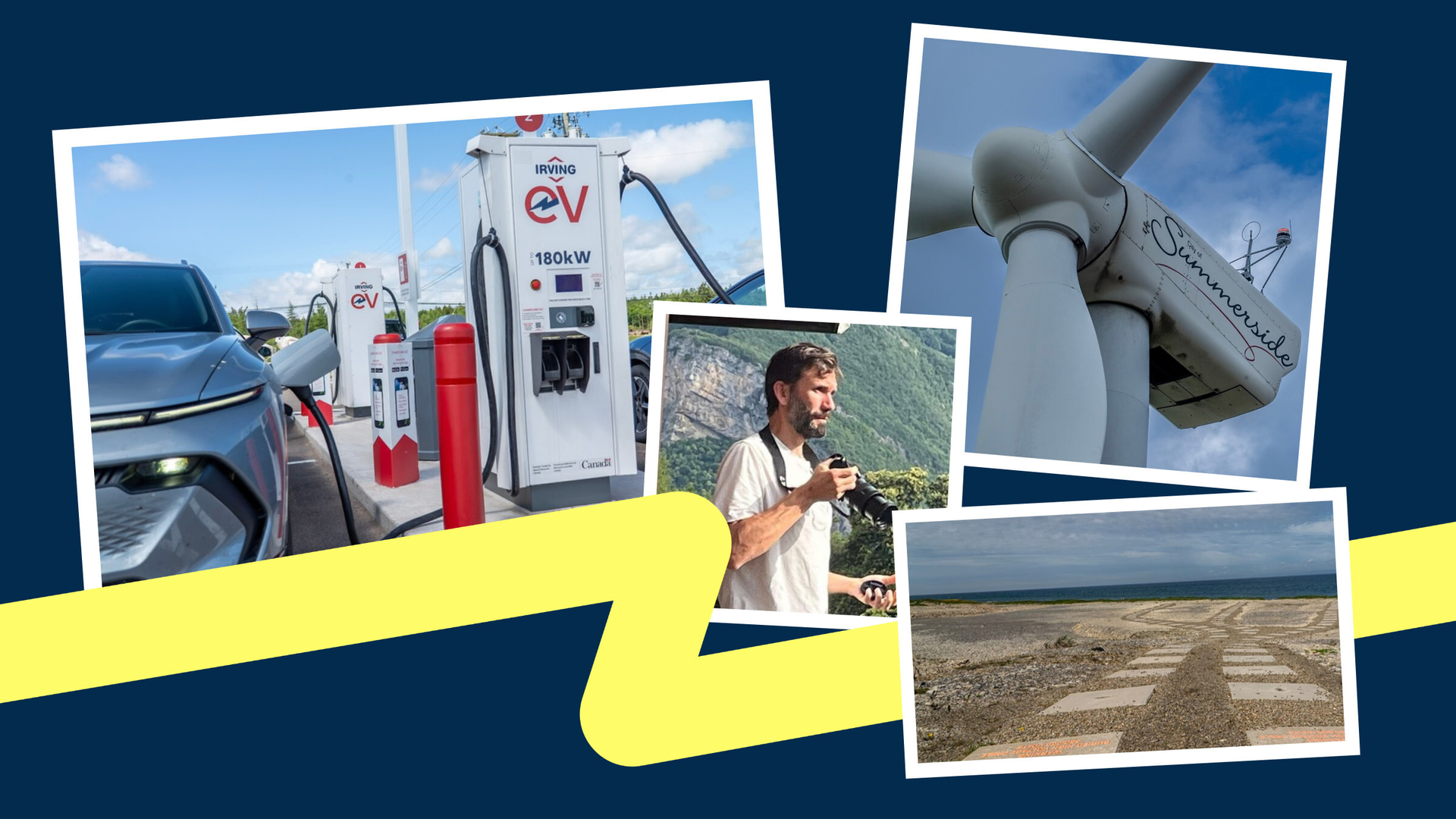
How does clean energy affect wildlife?
Large infrastructure changes, like the kind that the clean energy build-out will require, impact local wildlife. Knowing how to mitigate negative effects is key to a successful energy transition.
Atlantic Canada’s wetlands, forests, rivers, and coastlines are home to thousands of animal species. Many are at risk, from Barn Swallow to Mainland Moose, so it’s important to ask what new energy projects will mean for them.
Different projects, different effects
Wind turbines can harm birds and bats that collide with the blades. Bats are the bigger concern in the region: several species here are already endangered, and migrating bats seem to be drawn to turbines.
The good news is that slowing or pausing turbines during the riskiest conditions has been shown to cut bat deaths substantially.
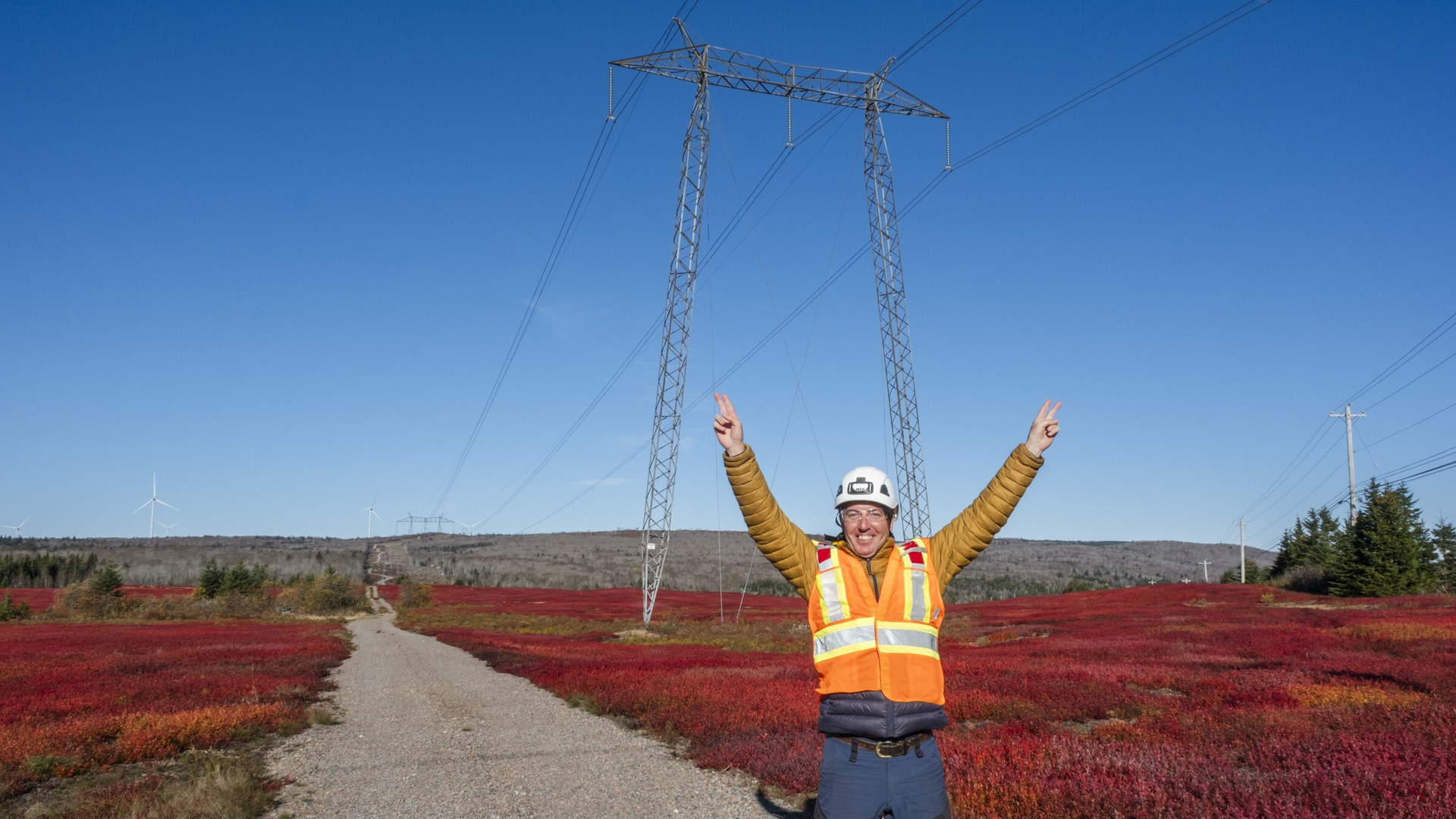
Power lines are another element to the clean energy build-out that requires environmental assessment. They’re easy to overlook for us humans because of their ubiquity, but birds collide with them, and clearing the corridors beneath them removes habitat.
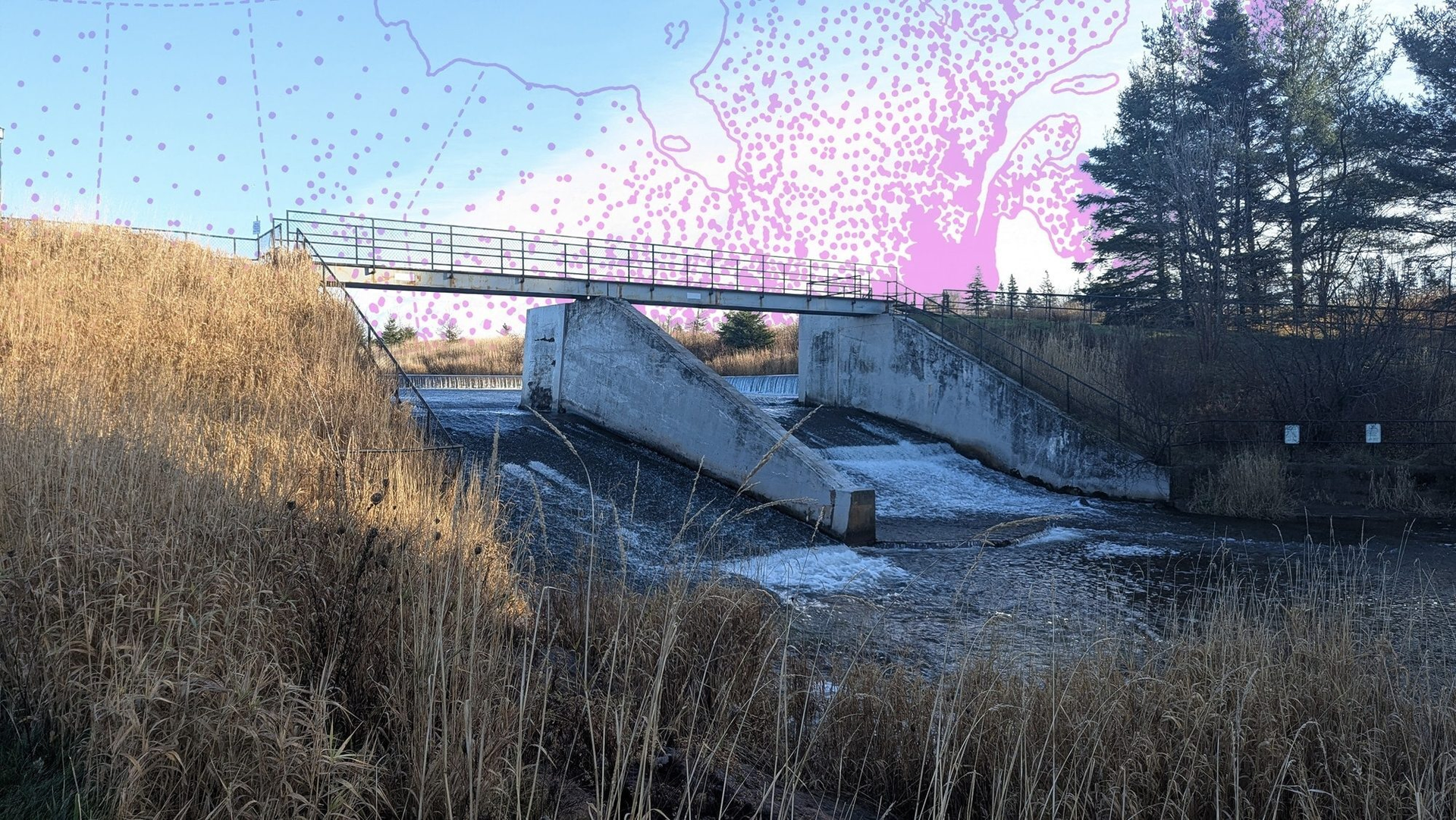
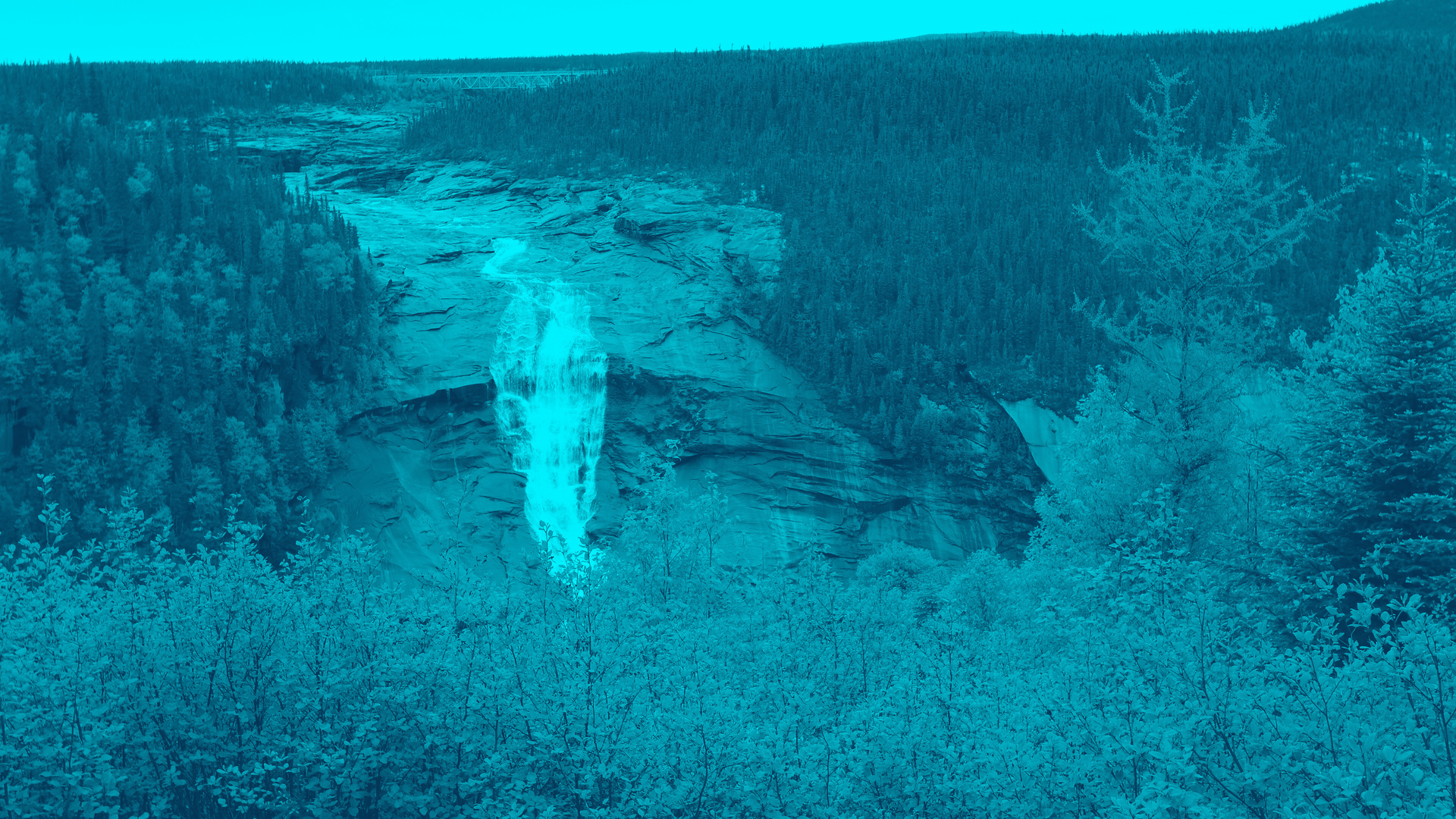
Hydroelectric projects change rivers. They can block fish that migrate, like Atlantic salmon, and alter water flow and temperatures. In some cases, flooding a reservoir affects the food chain in ways that reach the people who rely on local fish and seals, as concerns about Muskrat Falls in Labrador showed.
Solar farms can take over land that wildlife used. Much depends on how they’re built: panels over gravel offer little to wildlife, while sites planted with native wildflowers and grasses support local pollinators. Agrivoltaics, which means combining farming with solar panels, has been shown to be a very effective way to help livestock flourish, while mitigating climate change.
Read about agrivoltaics research being conducted at Dalhousie
Where you build matters most
The most effective way to reduce harm is to analyze the data before beginning a project. Environmental assessments study a site’s wildlife and habitat in advance, and what they find can change where a project goes, what time of year construction happens, and what protections are required.
None of this means that clean energy is the problem. Climate change is already reshaping habitats and putting species at risk, and burning fossil fuels harms wildlife too. But a project being clean doesn’t make it harmless — not every development in the name of clean energy is made equal.
What to ask about projects proposed near you
- Which species live there, especially at-risk or endangered ones?
- Why was this site chosen?
- What will be done to reduce harm?
- How will it be monitored, and what happens if the results are negative?
Environmental assessments often include a public comment period, which is the best time to get involved.