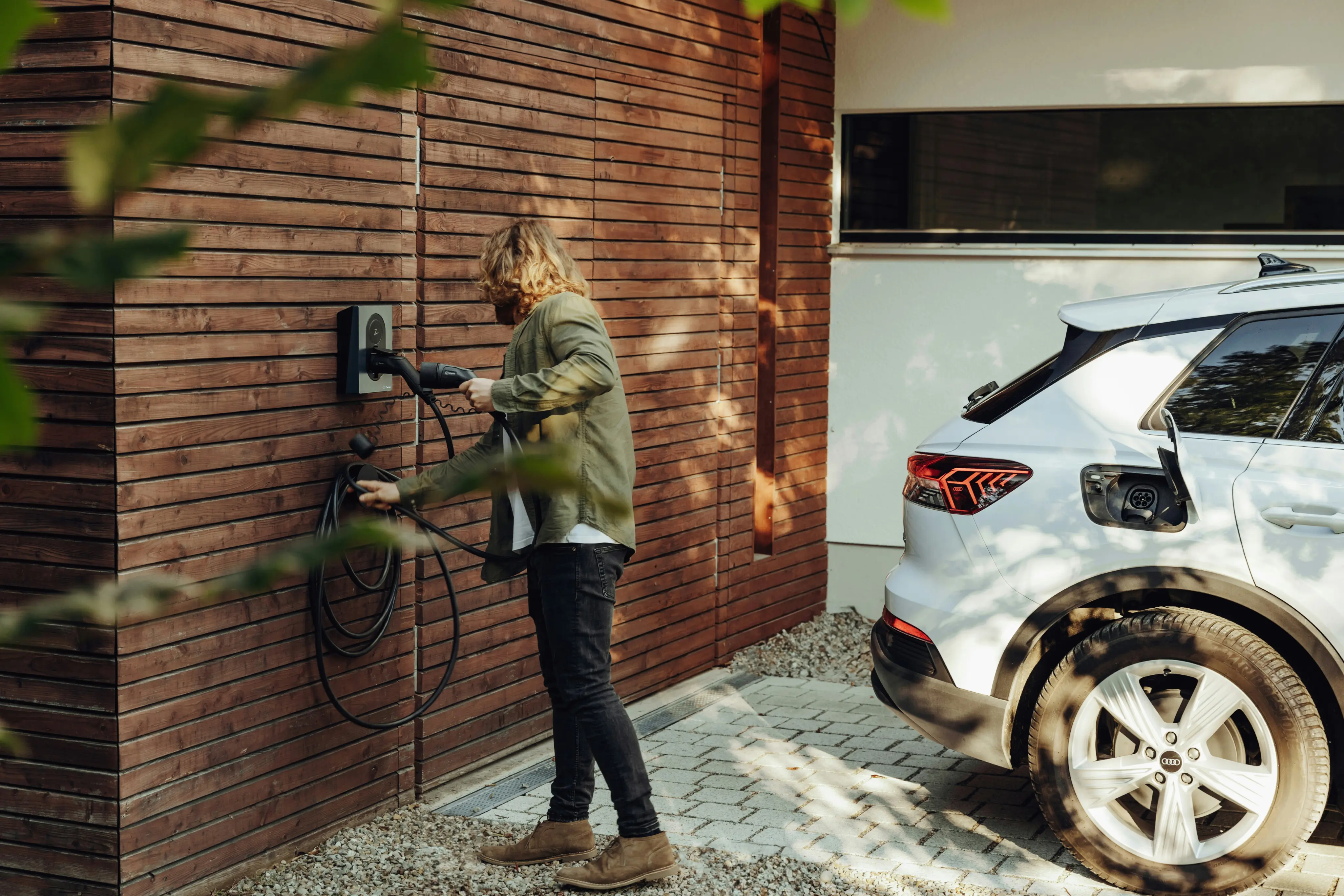
From heating and cooling to cooking, laundry and transportation, more of everyday life can run on electricity.
A cleaner, more comfortable and more affordable future starts with the choices we make at home.
Going electric is about more than switching to cleaner energy. It’s about creating a home that’s more comfortable, efficient and affordable to run, while making choices that are better for the future. From heating and cooling to cooking, laundry and transportation, more of everyday life can run on clean electricity. And with new technologies and incentives making the transition easier, there are more ways than ever to make your home work better for you, your family and the world around you.
Heating and cooling account for a big part of the energy we use at home. Heat pumps offer an efficient electric alternative that can keep your home comfortable year-round, even through Canadian winters.
Unlike traditional heating systems, a heat pump doesn’t create heat. It moves it. In winter, it transfers heat from the outside air into your home. In summer, it reverses the process to keep your home cool. That means one system can both heat and cool your home.
Built for Canadian winters
Yes, heat pumps work in cold weather. Today’s cold-climate models are designed to perform efficiently at temperatures well below freezing, making them a practical option for homes across Canada.
Why make the switch?
Heat pumps can reduce the amount of energy needed to heat and cool your home while helping you move away from fossil fuels. Depending on where you live and what system you’re replacing, they may also help lower your energy costs.
Unlike traditional heating systems, a heat pump doesn’t create heat. It moves it. In winter, it transfers heat from the outside air into your home. In summer, it reverses the process to keep your home cool. That means one system can both heat and cool your home.
Unlike traditional heating systems, a heat pump doesn’t create heat. It moves it. In winter, it transfers heat from the outside air into your home. In summer, it reverses the process to keep your home cool. That means one system can both heat and cool your home.
Unlike traditional heating systems, a heat pump doesn’t create heat. It moves it. In winter, it transfers heat from the outside air into your home. In summer, it reverses the process to keep your home cool. That means one system can both heat and cool your home.
“Electrifying your home doesn’t have to happen all at once. Every upgrade is a step toward a more comfortable, efficient home.”
Unlike traditional heating systems, a heat pump doesn’t create heat. It moves it. In winter, it transfers heat from the outside air into your home. In summer, it reverses the process to keep your home cool. That means one system can both heat and cool your home.
Unlike traditional heating systems, a heat pump doesn’t create heat. It moves it. In winter, it transfers heat from the outside air into your home. In summer, it reverses the process to keep your home cool. That means one system can both heat and cool your home.
Unlike traditional heating systems, a heat pump doesn’t create heat. It moves it. In winter, it transfers heat from the outside air into your home. In summer, it reverses the process to keep your home cool. That means one system can both heat and cool your home.
Unlike traditional heating systems, a heat pump doesn’t create heat. It moves it. In winter, it transfers heat from the outside air into your home. In summer, it reverses the process to keep your home cool. That means one system can both heat and cool your home.
Unlike traditional heating systems, a heat pump doesn’t create heat. It moves it. In winter, it transfers heat from the outside air into your home. In summer, it reverses the process to keep your home cool. That means one system can both heat and cool your home.
Unlike traditional heating systems, a heat pump doesn’t create heat. It moves it. In winter, it transfers heat from the outside air into your home. In summer, it reverses the process to keep your home cool. That means one system can both heat and cool your home.
Unlike traditional heating systems, a heat pump doesn’t create heat. It moves it. In winter, it transfers heat from the outside air into your home. In summer, it reverses the process to keep your home cool. That means one system can both heat and cool your home.
Unlike traditional heating systems, a heat pump doesn’t create heat. It moves it. In winter, it transfers heat from the outside air into your home. In summer, it reverses the process to keep your home cool. That means one system can both heat and cool your home.
Heating and cooling account for a big part of the energy we use at home. Heat pumps offer an efficient electric alternative that can keep your home comfortable year-round, even through Canadian winters.
Unlike traditional heating systems, a heat pump doesn’t create heat. It moves it. In winter, it transfers heat from the outside air into your home. In summer, it reverses the process to keep your home cool. That means one system can both heat and cool your home.
Built for Canadian winters
Yes, heat pumps work in cold weather. Today’s cold-climate models are designed to perform efficiently at temperatures well below freezing, making them a practical option for homes across Canada.
Why make the switch?
Heat pumps can reduce the amount of energy needed to heat and cool your home while helping you move away from fossil fuels. Depending on where you live and what system you’re replacing, they may also help lower your energy costs.
Unlike traditional heating systems, a heat pump doesn’t create heat. It moves it. In winter, it transfers heat from the outside air into your home. In summer, it reverses the process to keep your home cool. That means one system can both heat and cool your home.
Unlike traditional heating systems, a heat pump doesn’t create heat. It moves it. In winter, it transfers heat from the outside air into your home. In summer, it reverses the process to keep your home cool. That means one system can both heat and cool your home.
Unlike traditional heating systems, a heat pump doesn’t create heat. It moves it. In winter, it transfers heat from the outside air into your home. In summer, it reverses the process to keep your home cool. That means one system can both heat and cool your home.
A cleaner future starts at home.
Going electric isn’t just about using cleaner energy. It can make your home more affordable to run, more comfortable to live in and better prepared for the future.
Going electric isn’t just about using cleaner energy. It can make your home more affordable to run, more comfortable to live in and better prepared for the future. Heating.
Solar & storage
Going electric isn’t just about using cleaner energy. It can make your home more affordable to run, more comfortable to live in and better prepared for the future. Heating.
Induction cooking
Going electric isn’t just about using cleaner energy. It can make your home more affordable to run, more comfortable to live in and better prepared for the future. Heating.
Heating and cooling account for a big part of the energy we use at home. Heat pumps offer an efficient electric alternative that can keep your home comfortable year-round, even through Canadian winters.
Unlike traditional heating systems, a heat pump doesn’t create heat. It moves it. In winter, it transfers heat from the outside air into your home. In summer, it reverses the process to keep your home cool. That means one system can both heat and cool your home.
Built for Canadian winters
Yes, heat pumps work in cold weather. Today’s cold-climate models are designed to perform efficiently at temperatures well below freezing, making them a practical option for homes across Canada.
Why make the switch?
Heat pumps can reduce the amount of energy needed to heat and cool your home while helping you move away from fossil fuels. Depending on where you live and what system you’re replacing, they may also help lower your energy costs.
A cleaner future starts at home.
What Does It Really Cost to Drive Electric?
Unlike traditional heating systems, a heat pump doesn’t create heat. It moves it. In winter, it transfers heat from the outside air into your home. In summer, it reverses the process to keep your home cool.
What Does It Really Cost to Drive Electric?
Unlike traditional heating systems, a heat pump doesn’t create heat. It moves it. In winter, it transfers heat from the outside air into your home. In summer, it reverses the process to keep your home cool.
What Does It Really Cost to Drive Electric?
Unlike traditional heating systems, a heat pump doesn’t create heat. It moves it. In winter, it transfers heat from the outside air into your home. In summer, it reverses the process to keep your home cool.