Operating a heat pump is just a little bit different from what you might be used to with a furnace or boiler. Let’s look at how to keep your heat pump running smoothly while maximizing comfort and savings.
Stop the yo-yo: avoid big temperature setbacks
You have probably heard that you can save money by dropping the temperature at night or when you are away for many hours. While this works well for a furnace or boiler, your heat pump will work better if you don’t have large setbacks.
Why? Because when you raise the temperature again, your heat pump has to work harder to warm your home. Depending on your system, it may kick in supplemental or backup heating, which is less efficient and can cost more to run.
Instead, try keeping your settings at a relatively steady temperature throughout the day and night. You may find that your home feels more consistently comfortable, too.
Prefer a colder bedroom at night? Consider a more modest temperature adjustment, or use setbacks with a stepwise increase in temperature in the morning to avoid triggering the use of supplemental or backup heat.
Slow and steady wins on comfort
Furnaces generally work by blasting high-temperature air through ducts to raise the air temperature, then letting the temperature drop before blasting again.
A heat pump typically delivers heat at a lower temperature and runs for longer periods, helping to maintain indoor temperatures within a narrower range.
In general, heat pumps are able to provide more even heating in a home, which can improve comfort. A recent survey from Clean Energy Canada shows that improved comfort is one of the top reasons owners give for liking their heat pumps.
Let your heat pump breathe
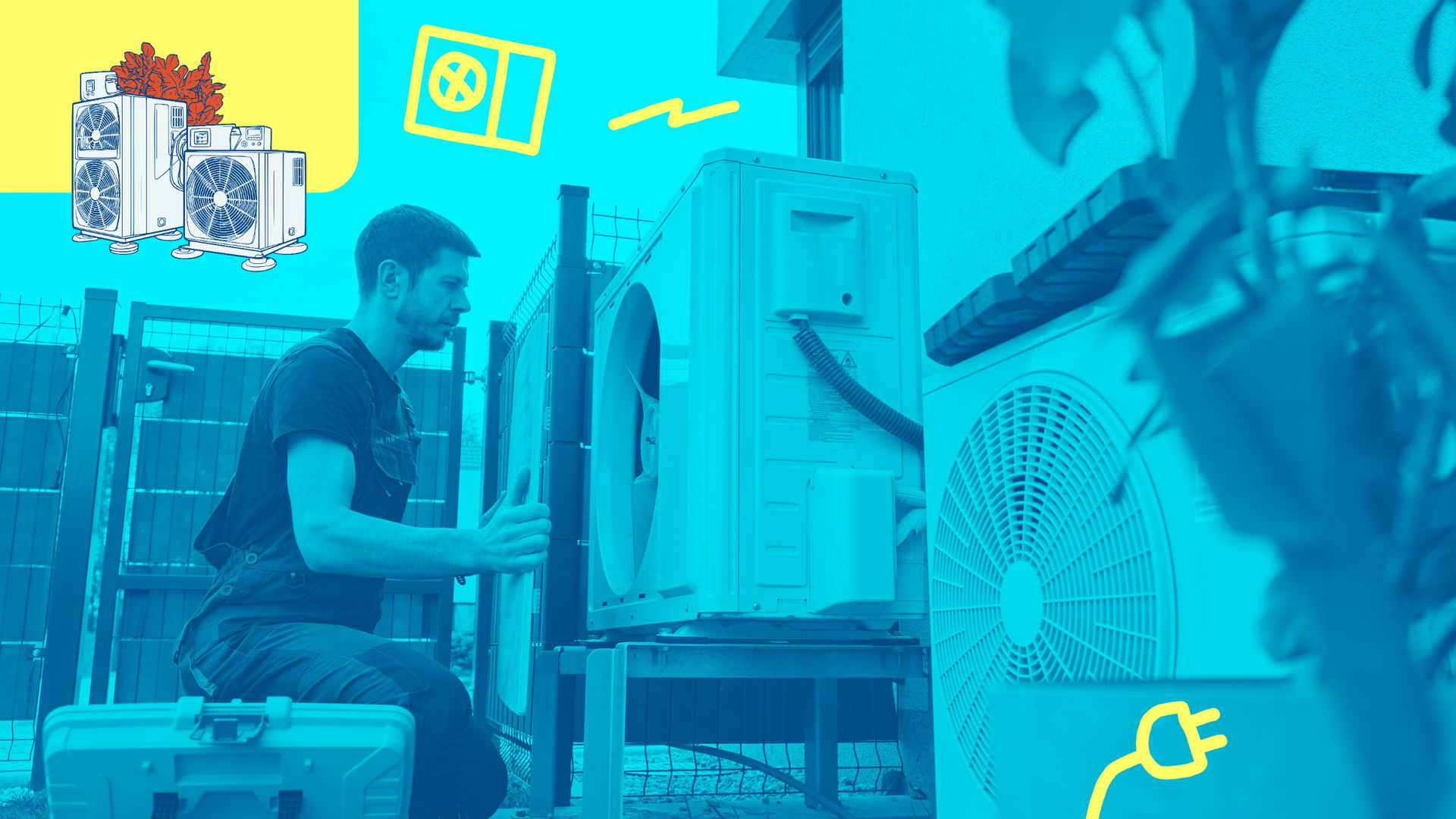
Air source heat pumps have an outside unit with coils and a big fan. This unit is what sucks heat out of the air in winter or expels heat from the home in summer.
Airflow is important. Anything that blocks airflow around the outside unit can reduce its efficiency, so keep the unit clear of snow, leaves and other debris, and trim back any plants that could get in the way. Models can differ in how much clearance is needed, so check with your contractor or user manual.
It is normal for a heat pump to get frosty in winter, and your heat pump will periodically run a defrost cycle to clear it. Call your contractor if heavy ice builds up and stays on the coils — do not try to chip off the ice, as it can damage your coils.
Quick tip: After a snowfall, check that the unit has room to breathe.
Keep your filters clean
Heat pumps have filters, and when they get dirty, your heat pump and fan have to work harder. That can take more energy and increase wear and tear on the system. If the filter gets too dirty, it could even shut down your heat pump!
On a central heat pump, the filter will be in the indoor air handler (the big metal box in your utility room). For mini-split or multi-split heat pumps, the filters will typically be inside the front cover of each indoor unit.
Some filters are reusable and just need a quick rinse or pass with a vacuum, while others are disposable and need replacing.
How often you need to change or clean your filter depends on the filter type, how often your system runs, and factors such as pests, dust and indoor air quality. Check your user manual for suggestions.
Quick tip: Schedule a recurring reminder in your calendar to change or clean your filter!
Want to go way deeper on heat pumps? The Building Decarbonization Alliance’s Home Electrification Toolkit has got you covered.